
Horse trailer prices vary widely, ranging from a few thousand dollars for a basic used horse trailer for sale to over $50,000 for a top-of-the-line, custom living quarters model. The final cost of horse trailers depends on several factors like size, material, age, features, and brand.
This guide will help you explore the costs associated with buying a horse trailer, whether you are looking for a simple tow-behind or a deluxe setup. We will look at what drives the price up or down for both new and used options.
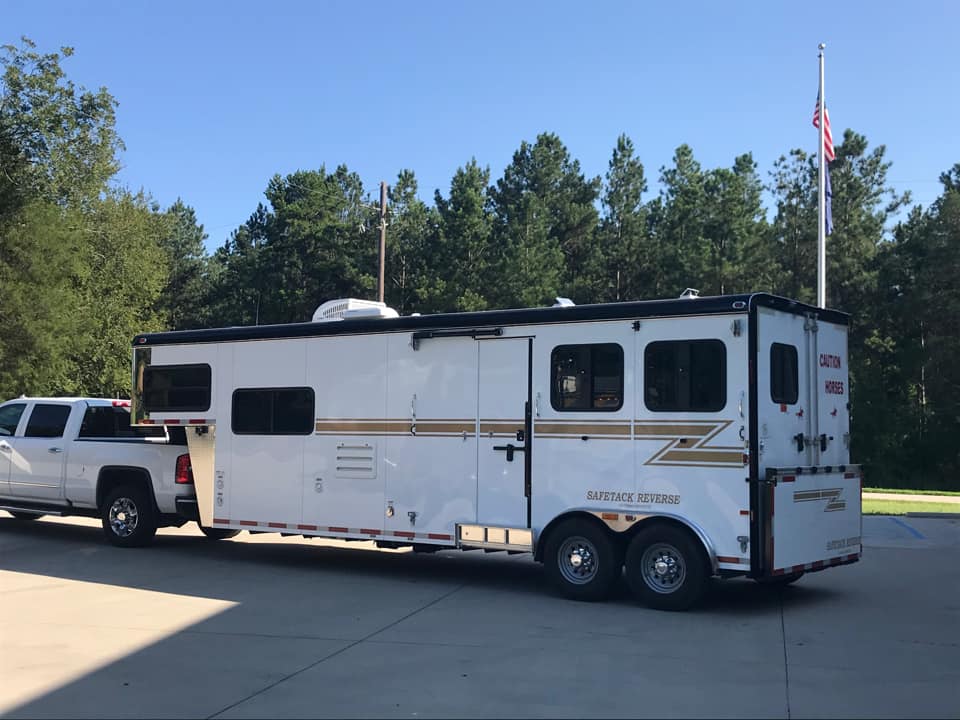
Image Source: www.doubledtrailers.com
Initial Cost Factors: New vs. Used Trailers
The first major decision that impacts your budget is choosing between a brand-new model or a pre-owned one.
The Price of New Horse Trailers
When you buy a new horse trailer cost, you benefit from the latest safety features, warranties, and a trailer tailored exactly to your needs. However, the initial outlay is higher.
New Trailer Price Ranges (General Estimates):
| Trailer Type | Average New Price Range (USD) | Key Features Included |
|---|---|---|
| Straight Load Bumper Pull (2 Horse) | $10,000 – $18,000 | Basic safe transport, minimal extras. |
| Slant Load Gooseneck (3 Horse) | $18,000 – $30,000 | Increased capacity, better towing stability. |
| Living Quarters (LQ) Trailer | $35,000 – $70,000+ | Full RV setup included (kitchen, bathroom, beds). |
Exploring Used Horse Trailers for Sale
Buying used horse trailers for sale is often the best way to save money. You can often get a higher-quality build or more features for the price of a basic new trailer.
Used Trailer Price Considerations:
- Age: A trailer that is five years old might cost 40% to 60% less than its new counterpart.
- Condition: Trailers used lightly or stored indoors fetch higher prices. Heavy use, wear on the floor, or rust lowers the value significantly.
- Mileage/Usage: Low mileage suggests less wear and tear on axles, tires, and brakes.
Used Trailer Price Benchmarks (General Estimates):
A well-maintained, 5-year-old standard 2-horse bumper pull might sell for $7,000 to $12,000. Older, high-use trailers could drop to $4,000 or less, but often need immediate maintenance like new tires or flooring.
Deciphering Material Costs: Aluminum vs. Steel
The primary material used in the frame and skin of the trailer heavily influences its horse trailer prices.
Steel Horse Trailer Cost
Steel is the traditional, heavy-duty option. It is strong and generally costs less upfront than aluminum.
- Pros: Lower initial purchase price, very robust construction.
- Cons: Heavier (which affects towing capacity and fuel economy), susceptible to rust and corrosion if not properly maintained or painted.
A basic steel horse trailer cost might start $1,000 to $3,000 lower than an identically equipped aluminum model. For example, a new 2-horse straight load might start around $9,000 in steel versus $11,000 in aluminum.
Aluminum Horse Trailer Price
Aluminum trailers are increasingly popular due to their lighter weight and resistance to rust.
- Pros: Lighter weight means better fuel efficiency and potentially lower towing vehicle requirements. They do not rust.
- Cons: Higher upfront cost. Aluminum frames can sometimes be less forgiving than steel in certain types of hard impacts.
The aluminum horse trailer price premium reflects these benefits. If you plan on traveling long distances frequently, the fuel savings over many years can help offset the higher initial investment.
Trailer Style and Size: Bumper Pull vs. Gooseneck
How the trailer hitches to your vehicle is a major factor in cost, stability, and required tow vehicle.
Bumper Pull Horse Trailer Price
Bumper pull horse trailer price refers to trailers that hitch directly to a standard receiver hitch on your truck’s bumper or frame. These are generally smaller and simpler.
- Best For: Light hauling, short trips, owners with half-ton or three-quarter-ton trucks.
- Cost: They are the most affordable type. A simple 2 horse trailer price in a bumper pull style is usually at the lower end of the price spectrum.
Gooseneck Horse Trailer Cost
Gooseneck horse trailer cost refers to larger trailers that require a hitch mounted in the bed of a heavy-duty pickup truck. They offer superior stability and larger capacities.
- Best For: Heavy loads, long hauls, hauling multiple horses or living quarters.
- Cost: They are inherently more expensive because they require a larger frame, more axles, and a heavier overall build. A basic 3-horse gooseneck will cost significantly more than a 2-horse bumper pull.
Comparing Hitch Styles:
| Feature | Bumper Pull | Gooseneck |
|---|---|---|
| Hitch Location | Rear bumper/frame | Truck bed |
| Stability | Good for light loads | Excellent, superior sway control |
| Max Size | Usually up to 3 horses | Often 3 to 6+ horses, LQs |
| Average Price Impact | Lower | Higher (due to size/frame) |
Capacity and Configuration Costs
The more horses you need to carry, and the more complex the configuration, the higher the price climbs.
2 Horse Trailer Price Points
The 2 horse trailer price is the starting benchmark for most buyers.
- 2-Horse Straight Load Bumper Pull: Often the entry point for new trailers. Simple, efficient, and usually the cheapest option available new (around $10,000 – $15,000).
- 2-Horse Slant Load Gooseneck: Offers better weight distribution for two horses, especially if they are large breeds. These are more expensive than the bumper pull equivalent, often starting in the $15,000 range for new models.
Expanding Capacity: 3 Horse and Larger
Adding capacity significantly increases the cost because it requires a longer trailer, stronger axles, and a heavier frame.
- A 3 horse trailer usually requires a gooseneck setup for proper weight management. Expect the base price for a new 3-horse slant gooseneck to start $3,000 to $5,000 higher than its 2-horse counterpart.
- Trailers designed for four or more horses, or those built for large Warmbloods or Drafts, often fall into the custom build category, pushing prices quickly past $25,000 before any luxury features are added.
Features That Increase Horse Trailer Prices
Beyond the size and material, specific features dictate where a trailer falls on the spectrum of horse trailer prices. These are often add-ons or standard inclusions on premium brands.
Dressing Rooms and Tack Storage
A basic trailer may have no dedicated storage or just a small open area. Adding a “dressing room” turns that space into a functional room.
- Basic Tack Area: Minimal cost increase. Maybe a few hooks and a shelf.
- Small Tack/Dressing Room (No Amenities): Adds several feet to the trailer length, increasing material cost ($1,000 – $2,500 added).
- Full Living Quarters (LQ): This is the single biggest cost addition. An LQ includes plumbing, electricity, air conditioning, kitchenette, and sleeping space. Prices start where standard trailers end, often $35,000 and climbing well over $70,000.
Suspension and Axle Upgrades
The type of suspension greatly affects ride comfort for your horses and the longevity of the trailer.
- Standard Spring Suspension: Lowest cost. Fine for short, slow trips.
- Rubber Torsion Axles (e.g., Timbren or Tor-Flex): These offer a much smoother ride by absorbing road shock independently. They are a major upgrade and can add $1,500 to $3,000 to the new horse trailer cost. This is often considered essential for high-mileage hauling.
Safety and Convenience Features
Small features add up quickly in the final tally:
- Drop-down Windows: Easier to operate than sliding windows.
- Escape Doors: A door at the front of the stall for emergency unloading.
- Pop-Out Feed Doors: For easy feeding on the road.
- Additional Saddles Racks or Dividers: Customizing the interior layout.
- Electric/Hydraulic Brakes: Standard on larger trailers, but upgrades to better braking systems increase cost.
Manufacturer Reputation and Customization
The brand you choose plays a significant role in horse trailer prices.
Premium vs. Economy Brands
Manufacturers like 4 Star, Merhow, or Exiss often command higher prices due to superior build quality, better resale value, and advanced engineering. You pay a premium for the name and the guarantee of durability.
Economy brands focus on providing a safe, functional trailer at the lowest possible price point. While perfectly adequate for local shows, they might lack the longevity or high-end finishes of premium brands.
Custom Builds
If you need specific dimensions, unique tack setups, or specialized features (like specific ramp angles or extra width for large breeds), you will likely be paying for a custom build. Custom work means paying for design time and non-standard materials, pushing the cost of horse trailers higher.
The Hidden Costs of Horse Trailer Ownership
The sticker price is just the beginning. Owning a horse trailer involves several ongoing and initial costs you must budget for.
Tow Vehicle Requirements
You cannot tow a heavy trailer with just any vehicle. Safety and legality depend on matching the trailer’s Gross Vehicle Weight Rating (GVWR) with your truck’s towing capacity.
- Bumper Pulls: Often require a half-ton or three-quarter-ton truck. If you don’t own one, purchasing a suitable truck adds significant cost.
- Goosenecks: Almost always require a three-quarter-ton or one-ton heavy-duty truck, which represents a major capital expense.
Insurance and Registration
Trailers must be insured, especially if they are new or financed. Insurance rates depend on the trailer’s value, your driving history, and whether you carry physical damage coverage. Registration fees vary by state but are an annual expense.
Maintenance and Repairs
Trailers are subject to wear and tear, often sitting unused for long periods. Regular maintenance is crucial for safety.
Essential Maintenance Costs:
- Tires (must be replaced every 5-7 years, regardless of tread wear).
- Brake inspection and servicing (often annually).
- Greasing wheel bearings (critical for preventing axle failure).
- Checking the floorboards for rot, especially in older steel trailers.
If you purchase used horse trailers for sale, budget an immediate $500 to $1,500 for a full safety check, new tires, and brake service before taking your first trip.
Financing Your Horse Trailer Purchase
For many buyers, especially those purchasing new trailers or those with Living Quarters, horse trailer financing is necessary.
Interest Rates and Terms
Financing a horse trailer is similar to financing an RV or boat. Interest rates are often tied to the overall value of the loan and your credit score.
- New Trailers: Typically secure better interest rates and longer repayment terms (up to 10 or 15 years for high-value LQ models).
- Used Trailers: Shorter loan terms or higher interest rates may apply, particularly for older units.
Securing pre-approval from your bank or a specialized trailer lender before shopping can give you a firm budget ceiling and negotiating power.
Down Payments
Most lenders require a down payment, typically between 10% and 20% of the purchase price. This reduces the amount you finance and shows the lender your commitment to the purchase.
Comparing Costs: A Practical Example
Let’s compare the likely budget for three common purchasing scenarios for a buyer needing to haul two horses.
Scenario A: Budget Buyer (Used Bumper Pull)
- Goal: Safe, occasional use for local shows.
- Target: A 10-year-old, good-condition 2 horse trailer price aluminum bumper pull.
- Estimated Purchase Price: $6,500
- Immediate Necessary Upgrades (Tires/Brakes): $1,000
- Total Initial Outlay: $7,500
Scenario B: Mid-Range Buyer (New Slant Load Gooseneck)
- Goal: Regular hauling, better stability, more capacity if needed later.
- Target: New, basic steel horse trailer cost 3-horse slant load gooseneck with rubber torsion axles.
- Estimated Purchase Price: $22,000
- Financing Needed: Yes, likely 7-year loan.
Scenario C: Premium Buyer (New Aluminum Living Quarters)
- Goal: Full-time use, long-distance travel, self-contained accommodations.
- Target: New, aluminum horse trailer price 3-horse gooseneck with a 10-foot LQ package.
- Estimated Purchase Price: $55,000
- Financing Needed: Yes, requires specialized financing.
Grasping Depreciation and Resale Value
Unlike some vehicles, well-maintained horse trailers hold their value quite well, especially premium brands.
Depreciation Factors:
- Material: Aluminum trailers generally depreciate slower than steel ones because the main structural component (aluminum) does not rust away.
- Living Quarters: The RV component of an LQ trailer depreciates much faster, similar to a motorhome. A 10-year-old LQ may only retain 30-40% of its initial build value, whereas the horse box itself might retain 60%.
- Maintenance Records: A detailed log of maintenance significantly boosts resale value. Buyers of used horse trailers for sale are willing to pay more for proof of care.
If you buy a trailer priced around $15,000 new, you might realistically expect to sell it five years later for $9,000 to $11,000, depending on condition.
Finalizing Your Purchase Decision
Determining the “right” price is personal. It depends entirely on your needs, the required tow vehicle, and how often you use the trailer.
- If you only haul one horse five times a year across town, investing in a $40,000 LQ trailer makes no financial sense. A modest, well-inspected used bumper pull is the clear winner.
- If you compete nationally and need a safe place for staff to sleep every weekend, the higher new horse trailer cost for an LQ is a necessary business expense that provides significant utility.
Always factor in the necessary tow vehicle expenses when calculating the total cost of ownership. A cheap trailer towed by an inadequate vehicle is a recipe for danger and high repair bills. When budgeting, aim to spend about 60-70% of your budget on the trailer and reserve the rest for the necessary hitch, safety equipment, and initial maintenance buffer.
Frequently Asked Questions (FAQ)
What is the cheapest way to buy a horse trailer?
The cheapest way is to purchase a very basic, older used horse trailer for sale that is a bumper pull style, made of steel, and requires minimal immediate repairs. Be prepared to spend money on safety maintenance right away, though.
Can I tow a gooseneck trailer with a large SUV?
Generally, no. Most bumper pull trailers can be safely towed by heavy-duty SUVs, but gooseneck trailers are designed specifically for in-bed truck hitches. These trailers often exceed the weight limits and tongue weight capacities of even the largest SUVs, creating a major safety hazard.
How much should I budget for maintenance on a used trailer?
It is wise to budget at least $500 to $1,000 immediately after purchasing a used trailer for a thorough inspection, new tires if the current ones are old, and a brake system check. After that, budget about $200 to $400 per year for routine lubrication and brake checks.
Does the brand affect my ability to get horse trailer financing?
Yes, somewhat. Lenders prefer financing recognized brands because they have established resale values. Very small, one-off custom builders or obscure brands might require a larger down payment or may only qualify for shorter loan terms. Major brands ensure easier access to horse trailer financing.
Why are aluminum horse trailer prices so much higher than steel?
Aluminum is lighter, which improves fuel economy and towing characteristics, and it never rusts. The raw material cost is often higher, and the construction methods for achieving structural integrity with aluminum can also be more labor-intensive or complex than standard steel welding.