
The cost to hire a riding horse varies a lot. It can range from low prices for a short trail ride to much higher costs for long-term care or specialized training. Expect to pay anywhere from \$25 for a brief introductory lesson to several hundred dollars monthly for a full lease.
Renting a horse is a fun experience, but it comes with many different price tags. Many people look for a way to enjoy horses without the full commitment of ownership. This guide will break down all the costs involved. We will look at hourly rates, daily fees, and the bigger picture of equine rental fees. Knowing these details helps you budget your equestrian adventures wisely.
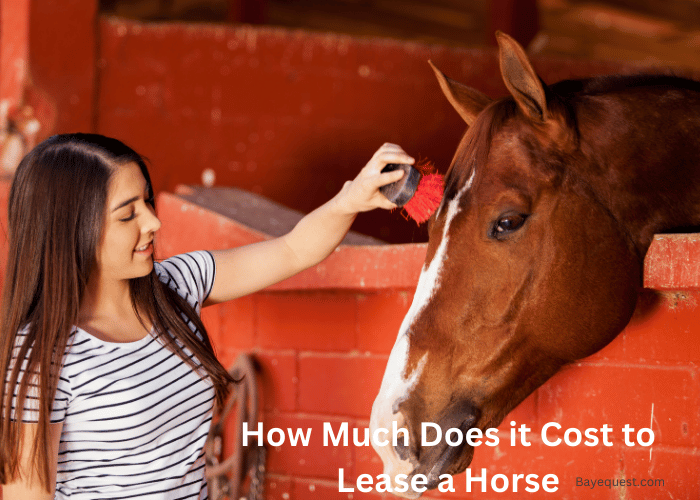
Image Source: www.bayequest.com
Surveying the Landscape of Horse Rental Prices
Horse rental prices are not set in stone. They change based on where you are, what kind of horse you need, and how long you need it for. A city stable will charge more than a rural farm. A calm pony for a child costs less than a powerful show jumper for an adult.
We need to look closely at the different ways people rent horses. These ways fit different needs, from a quick afternoon outing to a serious riding commitment.
Short-Term Rentals: Fun and Quick Experiences
Short-term rentals are usually for fun or a brief try-out. These are the easiest to book and often the least expensive upfront.
Trail Riding Horse Hire Cost
If you want a scenic hack through the woods, you are looking at a trail ride. These are usually guided.
- Duration: Most trail rides last between one and three hours.
- Pricing Structure: You pay a set fee per person for the ride duration.
| Ride Length | Typical Range (USD) | What is Included |
|---|---|---|
| 1 Hour | \$35 – \$60 | Horse, basic helmet, guide |
| 2 Hours | \$60 – \$90 | Horse, equipment, guide, water break |
| Half Day (3-4 hours) | \$100 – \$150 | More remote trails, sometimes a snack |
These prices cover the horse, tack (saddle and bridle), and the guide’s time. The guide is essential for safety, especially for new riders.
Hourly and Lesson Rates
For those wanting to learn or practice specific skills, hourly rates are common. These often involve instruction.
- Standard Lesson Rate: Expect to pay \$50 to \$100 per hour. This rate usually includes the horse and an instructor.
- Group vs. Private: Group lessons are cheaper, often \$40 to \$60 per person. Private lessons cost more because you get one-on-one attention.
The cost to hire a riding horse for a lesson includes the horse’s use, saddling time, and the instructor’s expertise.
Mid-Term Rentals: Consistent Riding Access
When you want to ride regularly but aren’t ready to buy, a partial lease or half lease is the next step up. This is where private horse rental pricing starts to get more complex.
Partial Leasing Arrangements
A lease means you are sharing the responsibility and cost of a horse owned by someone else, usually a stable or another individual owner.
- Half Lease: You typically get to ride the horse 2–3 days a week.
- Fees: Costs range widely, perhaps \$200 to \$600 per month.
- What it covers: This often covers the right to ride, but you might share other costs.
- Full Lease (Non-Ownership): You use the horse as if it were yours, but you don’t own the title.
- Fees: Can be \$500 to \$1,500 per month, depending on the horse’s quality.
A key factor in these arrangements is who pays for what beyond the lease fee. This leads us directly to horse board costs.
Deeper Dive into Ongoing Equine Costs
If you lease a horse, you must know about the hidden costs, which are often called “board” or care costs. Even if you rent hourly, some stables might ask for a deposit or insurance waiver fee.
Fathoming Horse Board Costs
Board is the cost to keep a horse housed, fed, and cared for. When you lease, you must decide who pays the board.
- Full Board: The stable handles everything: feed, hay, shelter, stall cleaning, and sometimes basic medical care like worming. This is the most expensive board option.
- Partial Board: You might cover your own grain or cleaning supplies while the stable provides shelter and hay.
Stable leasing rates often have clauses about board payments. In a half lease, board might be split 50/50. In a full lease, the lessee (the person renting) usually pays 100% of the board.
| Board Type | Monthly Cost Estimate (USD) | Lessee Responsibility |
|---|---|---|
| Full Board | \$500 – \$1,500+ | Usually covered by lessee in a full lease. |
| Pasture Board | \$250 – \$500 | Less intensive care; often used in shared agreements. |
Remember, board is separate from the lease payment itself. A \$400 lease plus \$600 board means you pay \$1,000 monthly just to have access to that animal.
Specialized Rental: Pony Rental Rates
For children or smaller riders, pony rental rates apply. These are often structured like trail ride or lesson rates, but sometimes offer special packages.
- Petting Zoo/Fair Pony: Very short, supervised rides. Prices are low, often paid per ride (e.g., \$5 per loop).
- Leasing a Pony: If a child needs consistent access for training, leasing rates apply but are generally lower than for a full-sized horse, perhaps starting at \$150 per month for a partial lease.
Long-Term Lease Costs and Considerations
Long-term horse lease costs involve more commitment. This option is chosen by riders who want the experience of ownership without the final sale price or the legal commitment of selling later.
The Structure of Long-Term Leases
Long-term leases often span six months to a year or more. They allow the rider to fully integrate the horse into their training regime.
- Financial Obligation: You pay the fixed monthly lease fee, plus 100% of the associated board and vet bills.
- Veterinary Care: In most long-term leases, the lessee is responsible for routine care (vaccines, dental float) and emergency care. This is a significant factor affecting horse rental prices.
- Location: You often need to arrange for the horse to be moved to a barn closer to you, which incurs transportation costs.
When assessing private horse rental pricing for a long term, always get a written contract. This contract should clearly state who pays for farrier visits, routine vet checks, and emergency surgery.
Factors Affecting Horse Rental Prices
Many variables influence how much you ultimately pay to rent a horse. Being aware of these helps you negotiate better rates or choose the right option for your budget.
Horse Skill and Experience Level
A beginner’s horse is very different from an advanced one.
- Beginner/Schoolmaster Horses: These are safe, steady horses trained to ignore rider mistakes. They are common in lesson programs. Their rates are usually moderate because they are less valuable to a competitive rider.
- Show Horses: Horses that compete successfully in dressage, jumping, or barrel racing demand premium rates. Their training level and proven success inflate their equine rental fees. You pay for their polished performance.
Location and Facility Quality
The cost of living in an area directly impacts horse care expenses, which trickle down to rental costs.
- Urban Centers: Stables near major cities have high property values and labor costs. Expect rental rates to be 20% to 50% higher than in rural areas.
- Facility Amenities: A stable with indoor arenas, heated wash bays, and high-quality imported hay will charge more than a simple farm with an outdoor ring.
The Type of Horse or Pony
Size matters, but so does breed and pedigree.
- Draft Horses vs. Ponies: Larger horses eat more hay and require bigger stalls, increasing horse board costs.
- Breed Value: A well-bred warmblood suitable for Olympic-level jumping will have much higher horse rental prices than a sturdy grade pony.
Duration and Frequency of Rental
The longer and more frequently you rent, the better the per-hour rate usually becomes.
- A single one-hour lesson costs more per minute than riding the same horse for four hours straight via a lease.
- Bulk Discounts: Many stables offer discounts if you pre-pay for ten lessons at once.
Deciphering Rental Contracts and Fine Print
Never ride a rented horse without a signed agreement. This protects both you and the stable owner. The contract details are crucial when discussing equine rental fees.
Essential Contract Components
A solid rental agreement must cover these points clearly:
- Liability Waiver: You must agree that you are responsible for accidents while riding their animal.
- Usage Restrictions: Can you only ride on the property? Can you take the horse off-site for a trail ride? Some contracts forbid taking the horse off the property entirely, especially with short-term rentals.
- Veterinary Responsibility: Who pays if the horse gets sick or injured while under your care during the rental period?
- Termination Clause: How much notice must you give if you decide to stop leasing? Can you get any money back if you leave early?
Insurance Implications
When leasing, you might be required to carry your own insurance, known as “rider insurance.” This covers you if you injure yourself or damage someone else’s property while riding. Ask the stable manager specifically about insurance requirements related to their cost to hire a riding horse.
Comparison: Renting vs. Owning Costs
For potential horse owners, renting is often a great way to “test drive” the commitment. Let’s compare a monthly lease payment to the actual cost of full ownership.
| Expense Category | Monthly Full Ownership Cost (Estimate) | Monthly Half Lease Cost (Estimate) |
|---|---|---|
| Board | \$700 | \$350 (Shared) |
| Farrier (Every 6 weeks) | \$150 | \$75 (Shared) |
| Routine Vet/Vaccines (Prorated) | \$50 | \$25 (Shared) |
| Feed/Supplements | \$100 | \$50 (Shared) |
| Lease Fee (Not Applicable) | \$0 | \$300 (Lease Payment) |
| Total Estimated Monthly Cost | \$1,000 | \$800 |
As this table shows, even a half lease requires you to shoulder a significant portion of the actual care costs. The benefit of leasing is avoiding the huge upfront cost of purchasing the horse and the final burden of selling it later.
Hiring Specialized Equines: Horses for Film and Events
Sometimes, renting a horse isn’t for riding practice; it’s for a special occasion or a production set. These rates fall under a different category of equine rental fees.
Film and Photography Shoots
When horses are hired for film, TV, or professional photography, the rates are much higher.
- Day Rate: Expect \$300 to \$1,000+ per day.
- Handler Requirement: The owner or a designated handler must accompany the horse at all times. This person’s rate is built into the day fee.
- Hazard Pay: If the scene involves stunts, difficult props, or unusual environments, the cost rises sharply due to added risk insurance.
Event Rentals (Carriage Rides, etc.)
Hiring a team of horses and a driver for a wedding or parade involves specialized billing.
- Hourly Minimums: Often have a 2 or 3-hour minimum booking time.
- Travel Time: You pay for the driver and team to travel to and from the event location.
These services are generally less concerned with pony rental rates and more focused on professional, insured transport.
Practical Tips for Securing the Best Rental Deal
To get the best value when exploring horse rental prices, smart shopping is key.
Shop Around and Compare Stable Leasing Rates
Do not settle for the first barn you visit. Call three to five different places in your area. Ask for their standard lesson rate and their half-lease pricing structure. Compare what is included in their base fee.
Look Beyond the Horse Itself
Sometimes, a slightly more expensive horse at a superior facility is a better value overall.
- Safety First: A well-maintained facility with experienced staff reduces the risk of accidents. A cheap ride at a poorly managed barn can lead to expensive emergency vet bills later.
- Lesson Quality: A fantastic instructor at a slightly higher rate might teach you faster, saving you money on the total number of lessons needed to reach your goal.
Consider Off-Season or Off-Peak Times
If you are very flexible, you might find deals. Some trails offer discounts during the quiet winter months, or stables might offer lower rates for lessons scheduled midday on weekdays instead of prime time on Saturday mornings.
Frequently Asked Questions (FAQ)
Q: Can I rent a horse without any riding experience?
Yes, you can. Most stables specializing in short-term trail rides or introductory lessons cater specifically to beginners. They pair you with a very safe, experienced horse (a “schoolmaster”) and provide necessary safety gear and a guide. These initial rides are usually the lowest entry point for horse rental prices.
Q: Do I have to pay extra for tack and a helmet?
Usually, no. For standard trail rides and lessons, the cost to hire a riding horse includes the saddle, bridle (tack), and a properly fitted helmet. If you move into leasing, you might be expected to purchase your own specific riding helmet for hygiene and fit, but the stable usually provides the horse’s saddle.
Q: What is the difference between a partial lease and a full lease?
A partial lease means you share the horse’s time and costs with the owner or another rider. A full lease means you have exclusive riding rights to the horse, treating it essentially as your own, though you still don’t own it. Full leases command higher equine rental fees because you get 100% access.
Q: Are there cheaper options than traditional rental stables?
Yes. Sometimes, private horse owners who need help exercising their horse will offer “work-for-ride” arrangements. You agree to ride and care for the horse several days a week in exchange for free riding time. This dramatically lowers your upfront equine rental fees but requires you to be experienced enough to handle the horse without direct supervision.
Q: How far in advance should I book a trail ride?
For popular weekends or holidays, book trail rides at least one to two weeks in advance. For long-term leases, give the stable four to six weeks of notice so they can finalize paperwork and ensure the horse is ready for your dedicated use.