
The cost of professional horse training can vary widely, but generally, you can expect to pay anywhere from \$500 to \$2,500 per month for full-time board and training. However, this range changes a lot based on where you live, the trainer’s skill level, and what kind of training your horse needs.
Getting your horse trained is a big investment. It costs time and money. Good training builds a solid foundation for your horse. This article breaks down the real figures you can expect to pay for various training situations. We will look at monthly board and training packages, as well as one-off lessons.
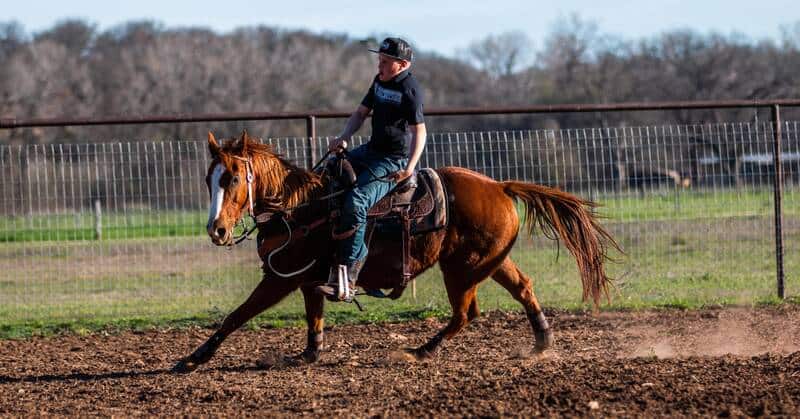
Image Source: xfactorteamroping.com
Deciphering the Main Costs in Horse Training
The final price tag for training is rarely just one number. It is a mix of several related expenses. Knowing these parts helps you budget better.
Monthly Training Packages: The Big Picture
Most professional trainers charge a monthly fee. This fee usually covers more than just the actual training time.
Cost to Board and Train a Horse
When you choose to cost to board and train a horse, you are paying for two main things: the horse’s care and the training sessions.
- Board: This covers food (hay, grain), shelter, water, and basic care like mucking out stalls. Board costs differ greatly by location. City stables cost much more than rural ones.
- Training Fee: This is the actual cost for the trainer to work with your horse.
Table 1: Average Monthly Board and Training Costs
| Training Level | Average Monthly Board (Low End) | Average Monthly Board (High End) | Average Monthly Training Fee | Total Estimated Monthly Cost |
|---|---|---|---|---|
| Basic Groundwork/Starting | \$400 | \$800 | \$500 – \$1,000 | \$900 – \$1,800 |
| Intermediate/Schooling | \$500 | \$1,000 | \$800 – \$1,500 | \$1,300 – \$2,500 |
| Advanced/Show Preparation | \$600 | \$1,200 | \$1,200 – \$2,500+ | \$1,800 – \$3,700+ |
These numbers are just starting points. High-level trainers in competitive areas like Wellington, Florida, or Southern California often charge significantly more.
Horse Breaking Costs: Starting from Scratch
Horse breaking costs refer to the initial process of teaching a young or unhandled horse to accept a rider, wear tack, and respond to basic commands. This foundational work is crucial.
- Duration: Breaking usually takes 30 to 90 days.
- Intensity: It often requires intense, focused work.
Because of this intensity, breaking packages are often priced differently than ongoing training. You might pay a flat fee for a “start” package.
Expect horse breaking costs to range from \$1,500 to \$4,000 for a full package, depending on the horse’s temperament and the trainer’s experience. A difficult young horse might cost more because it takes extra time and risk.
Variations in Training Based on Discipline
The discipline you ride in heavily affects the equine training fees you will pay. Trainers specialize, and specialists charge more.
Dressage Training Prices
Dressage training prices reflect the complexity of the movements involved. Advanced dressage requires years of refinement and expertise.
- Lower-Level (Training/First Level): These trainers might charge rates similar to general riding instructors.
- Upper-Level (Prix St. Georges and above): Trainers who compete successfully at high levels demand premium rates. Their knowledge of subtle aids and horse soundness is specialized.
You might pay \$100 to \$200 per session for a recognized Grand Prix trainer, even if the horse is just schooling at home. Monthly rates for these top programs often start at \$3,000, excluding board.
Barrel Racing Training Rates
Barrel racing training rates tend to focus on speed, handling sharp turns, and precise timing. This training is often more hands-on and intensive over shorter periods.
- Clinics: Barrel racers frequently utilize clinics. A weekend clinic might cost \$300 to \$600, plus housing and travel for the clinician.
- Individual Coaching: If you hire a trainer to bring your barrel horse along, expect monthly rates that might be slightly lower than upper-level dressage, perhaps \$800 to \$1,800 monthly, focusing heavily on pattern work.
Private Versus Group Training Cost Structures
How your horse receives training—alone or with others—impacts the price tag significantly.
Private vs Group Horse Training Cost
Trainers offer flexibility in how they deliver instruction.
Private Sessions
Private sessions offer 100% focus on your horse and your goals. This allows the trainer to tailor every step specifically.
- Cost: This is the most expensive option per hour or per ride. Expect horse trainer hourly rates for private work to range from \$75 to \$150 per session. A “session” might be 45 to 60 minutes of work.
Group Sessions
Group lessons or training sessions are more affordable. The trainer works with several horses at once.
- Cost: Group sessions are cheaper because the trainer divides their time. A group session might cost \$40 to \$75 per horse. These are great for solidifying basic skills once the foundation is set.
Factors Affecting Horse Training Expense
Why is one person paying \$1,000 a month and another paying \$4,000? Several key elements drive the final figure. These are the factors affecting horse training expense.
Trainer Expertise and Reputation
This is the single biggest factor. A world champion trainer will charge far more than a local trainer starting out.
- Credentials: Trainers with recognized certifications (like USEF ‘R’ judges or FEI trainers) command higher fees.
- Success Rate: If a trainer consistently produces winning horses, their time is more valuable.
Location, Location, Location
Where you live matters greatly for average horse training rates.
- High Cost of Living Areas: In metropolitan areas or regions with high real estate values (like the Northeast Corridor or California), trainers must charge more to cover facility costs, insurance, and staff wages.
- Rural Areas: Costs drop significantly in areas where land and feed are cheaper.
Training Intensity and Frequency
How often does the horse need to be worked?
- Full-Time Training: Keeping a horse in consistent, full-time training (5-6 days a week) involves the highest monthly fees.
- Schooling/Tune-Ups: If you only bring your horse in for a tune-up once a week, you pay a lower, per-ride rate.
Horse Temperament and Needs
Some horses require more patience and time.
- Difficult Horses: Horses with behavioral issues or those that are very green (inexperienced) may require extra handling time. Trainers might add a surcharge for “difficult” temperament management.
- Special Needs: Horses recovering from injury or needing specialized groundwork might also incur slightly higher fees to cover extra attention from the staff.
The Cost of Showing and Competition Prep
Training does not stop when the horse is well-behaved. Preparing for shows adds significant costs.
Show Fees and Preparation Costs
If you plan to compete, the trainer’s involvement increases dramatically.
Training Rides at Shows
When traveling to a competition, trainers often charge for their time managing your horse at the showgrounds.
- Per Show Day Rate: Expect to pay \$100 to \$300 per day just for the trainer to be present, manage entries, and warm up your horse.
Entry Fees and Stabling
These costs are separate from training but must be budgeted for:
- Show Entry Fees: These range from \$20 for a local schooling show to \$300+ per class at a major competition.
- Show Stalls: On-site stabling at a show is expensive, often \$50 to \$150 per night.
Private Lessons: A More Budget-Friendly Option
If full-time training is out of reach, private lessons offer a way to learn alongside your trainer.
Grasping Horse Trainer Hourly Rates for Lessons
When paying for lessons, you are usually paying for the trainer’s time and expertise in instructing you while you ride your horse.
| Lesson Type | Average Horse Trainer Hourly Rates (Rider Included) | Notes |
|---|---|---|
| Beginner/Local Instructor | \$50 – \$85 per hour | Focuses on basic safety and aids. |
| Intermediate/Specialist | \$85 – \$125 per hour | Skill building specific to a discipline. |
| Clinician/Top Expert | \$150 – \$300+ per hour | Highly specialized instruction, often at clinics. |
Important Note: If you do not own a horse, lessons on a school horse will cost more. Schooling horses absorb wear and tear, raising the lesson price, often pushing rates to \$100 – \$175 per hour.
Long-Term Investment vs. Short-Term Fixes
Horse training is not a quick fix. It is a long-term commitment that pays dividends in safety and enjoyment.
The Value of Quality Foundation Work
Paying higher initial horse breaking costs or investing in consistent foundational training saves money later. A well-trained horse is less likely to injure itself or its rider. It requires less maintenance farrier and vet care because it moves correctly.
Hiring a cheap, inexperienced trainer for a short time can lead to costly behavioral problems down the road that require expensive re-training.
Travel and Mileage Fees
If the trainer does not have a facility and travels to your farm (a common arrangement for hobby riders), you pay travel costs.
- Mileage Surcharge: Expect a small per-mile fee added to the lesson cost if you live outside their immediate service area. This compensates them for fuel and vehicle wear.
Comparing Training Options: Where Should Your Money Go?
Choosing the right option depends entirely on your goals for the horse and your budget.
Full Training (The Full Immersion Approach)
- Pros: Fastest progress, consistent messaging to the horse, trainer can manage fitness levels daily.
- Cons: Highest cost, less time for the owner to learn the aids used during the training process.
Lessons with Boarding at Home (The Owner-Led Approach)
- Pros: Lower monthly cost, the owner learns directly alongside the horse.
- Cons: Progress depends heavily on the owner’s ability to practice correctly between weekly lessons.
Combination Training (The Hybrid Model)
Many successful clients use a hybrid approach. They keep their horse at home but send it to the trainer’s facility for one intensive week of training every month, supplemented by weekly private lessons. This mixes focused immersion with owner involvement.
Frequently Asked Questions About Horse Training Costs
How much does it cost to send a horse to a trainer for one month?
If you are paying for boarding plus training, expect a total cost between \$1,200 and \$3,500 monthly. This depends heavily on the quality of the board and the level of the trainer.
Are there hidden fees in horse training?
Yes, there can be. Always ask about:
- Farrier/Vet Costs: These are almost never included in the board/training fee.
- Medication/Supplements: Any specialized feed or necessary supplements are extra.
- Show Fees: Entry, haul-in, and trainer fees at shows are added costs.
- Veterinary Call Fees: If the trainer calls the vet for you, they may charge a small administrative fee.
What is the difference between a clinician and a regular trainer?
A regular trainer works with your horse consistently over weeks or months. A clinician is an expert who comes to a location for a short, intensive event (a clinic), usually lasting one to three days, to offer high-level advice to many riders quickly. Clinicians charge high per-session rates.
Can I negotiate the cost of professional horse training?
Sometimes, especially if you commit to a long-term contract (e.g., six months) or if you have multiple horses in training, trainers may offer a small discount. Be respectful of their expertise; do not lowball established rates.
How long does basic training usually take?
For a sound, willing horse, basic groundwork and saddling might take a few weeks. Getting a horse ready to be ridden reliably usually takes 60 to 90 days of consistent, focused work. The training journey never truly ends, but the foundation phase takes months.