
Yes, a club foot horse can often be managed effectively using barefoot principles. While a horse with a true club foot presents unique challenges, many owners find that moving away from traditional shoeing and embracing Clubfoot horse hoof care focused on natural trim principles can greatly improve comfort and function. This approach emphasizes mimicking the natural wear pattern and environment of a healthy hoof, tailored specifically to the conformationally challenged limb.
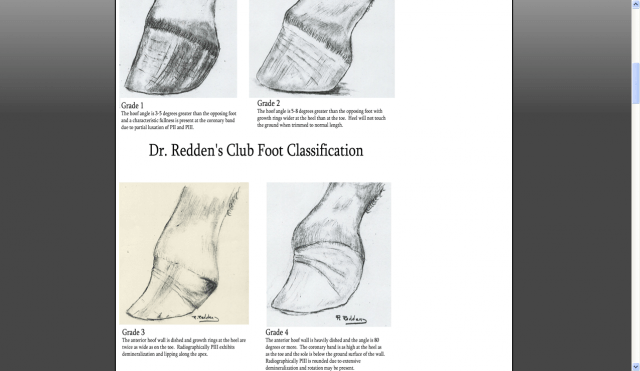
Image Source: blog.easycareinc.com
Grasping the Club Foot Conformation
A club foot is not just a slightly upright hoof; it is a distinct, often severe, conformational defect. It results in a hoof capsule that is excessively upright (high-heeled) and often appears smaller or narrower than the corresponding foot. This condition is frequently painful because the balance of forces within the hoof capsule is dramatically altered.
What Causes the Club Foot?
The exact cause of a club foot is not always clear. It can be congenital (present at birth) or develop over time due to several factors:
- Genetic Factors: Some lines of horses seem more prone to this conformation.
- Developmental Issues: Rapid growth or improper nutrition in young, growing foals can contribute.
- Pain Response: Sometimes, a horse develops a contracted hoof capsule as a way to shift weight away from a painful area further up the leg, like a deep flexor tendon issue or joint pain.
This upright angle changes how the forces of movement travel through the leg. The digital cushion and frog bear too much weight too quickly. This high load can lead to bruising, inflammation, and chronic soreness, directly impacting Clubfoot horse soundness.
Why Go Barefoot with a Club Foot Horse?
Many traditional farriers rely on metal shoes to artificially lower the heels or change the break-over point. While this offers short-term relief, it can sometimes lock the hoof into an unnatural stance long-term, hindering the foot’s natural ability to self-correct or adapt. The barefoot approach aims to restore natural mechanics.
The goal of Barefoot trimming clubfoot is to allow the hoof capsule to respond to the body’s natural movements. When supported by correct trimming, the foot can work to de-contract the deep digital flexor tendon and slowly bring the angle closer to a healthier state.
Benefits of the Barefoot Method for Club Feet
- Increased Circulation: Without a shoe restricting movement, blood flow improves within the sensitive laminae.
- Frog Engagement: The frog, which acts as a natural shock absorber, is encouraged to work and become stronger.
- Natural Load Distribution: Trimming focuses on distributing weight evenly across the entire solar surface, rather than just the toe or heel walls.
- Allowing Self-Correction: The hoof is free to react to movement and terrain changes, promoting better long-term shape.
The Challenge of Hoof Balance Clubfoot Horse Management
Achieving Hoof balance clubfoot horse is the central, and often most difficult, task in managing these animals barefoot. A balanced hoof allows forces to dissipate safely during the stance phase of the stride.
For a club foot, balancing means acknowledging the current upright angle while strategically trimming to prevent undue stress on the toe or the contracted heel.
Trimming Principles for Upright Hooves
The Clubfoot horse trimming techniques must be very specific. The focus is not on forcing the hoof angle down immediately, which can cause severe pain by overstretching the already tight flexor tendon unit.
Strategic Trimming Goals:
- Heel Height Reduction (Gradual): Heels should only be lowered slightly at each trim. Rapid lowering puts immense strain on the deep flexor tendon.
- Maintaining Solar Balance: Ensure the weight-bearing surface is level when viewed from the bottom.
- Blending the Coronary Band: The hoof wall should transition smoothly to the ground. Excess flare at the toe or quarters must be addressed gently.
- Support the Apex: The toe area often needs support because the upright angle concentrates impact there.
| Trimming Element | Traditional Approach Risk | Barefoot Goal |
|---|---|---|
| Heels | Aggressively lowered using wedges | Slow, minor lowering based on tension relief |
| Toe | Rolled back sharply to aid break-over | Gently blended to reduce leverage |
| Frog | Often ignored or left unworked | Encouraged to load evenly for support |
Transitioning Clubfoot Horse to Barefoot: A Careful Journey
Transitioning clubfoot horse to barefoot requires patience and often expert guidance. These horses are often accustomed to shoes and may have already developed painful adaptations.
Phase 1: Initial Assessment and Stabilization
The first step involves a thorough evaluation. If the horse is currently lame due to shoeing practices or has severe bruising, immediate relief might be needed before starting the full transition.
- Consultation: Work closely with an experienced Podiatry for clubfoot horses specialist or a trimmer familiar with this pathology.
- Pain Management: If the horse is very sore, short periods of supportive booting might be necessary, even during the barefoot transition, to manage impact until the sole thickens.
Phase 2: Addressing Conformation
The trimmer will begin applying Natural trim clubfoot horse principles. This means respecting the existing angle while seeking to maximize the hoof’s natural support structures.
- De-weighting the Toe: Since the hoof capsule is rotated forward due to the upright angle, the toe lever arm is short but high-impact. The trim focuses on reducing the wall thickness slightly at the toe until the solar plane can begin to bear weight more effectively.
- Encouraging Frog Contact: If the horse is used to having its heels suspended by shoes, it will resist putting weight on the frog. Gradual exposure to firm, varied terrain is vital.
Phase 3: Long-Term Adaptation and Soundness
As the hoof remodels, the goal shifts toward improving the overall structure. Hoof rehabilitation clubfoot horse is a marathon, not a sprint. Owners must monitor stride, resting habits, and how the horse uses its feet.
If the foot responds positively, the upright angle may slightly reduce over months or years. If the angle remains severe but the horse is comfortable and sound, the focus shifts entirely to maintaining that balance in its current state.
Barefoot Management Clubfoot: Daily Care and Environment
Successfully managing a club foot barefoot relies heavily on the horse’s daily environment. The best environment encourages strong hoof walls and robust soles.
Terrain Matters Significantly
Club-footed horses need terrain that encourages natural loading and wear. Hard, dry, abrasive surfaces are generally better than soft, boggy ground.
- Soft Ground Pitfalls: In deep mud or soft shavings, the heel of a club foot can sink excessively, causing the toe to lift unnaturally high. This stretches the back of the leg structures.
- Hard Ground Benefits: Firm ground encourages the frog to bear weight and helps slowly abrade excess wall material without needing aggressive trimming.
Movement and Exercise
Rest is rarely the answer for a compromised foot. Movement stimulates circulation and aids in remodeling.
- Consistent Movement: Aim for daily movement, even if it’s just controlled walking on varied terrain.
- Avoidance of Extreme Use: During the initial rehab phase, high-impact activities like hard cantering or jumping should be limited until the internal structures are stronger.
Advanced Considerations in Clubfoot Horse Trimming Techniques
When dealing with a rigid, established club foot, standard trimming protocols might not suffice. Specialized knowledge is crucial.
Dealing with the Deep Digital Flexor Tendon (DDFT)
The DDFT attaches to the coffin bone and exerts a powerful downward pull. In a club foot, this tendon is often contracted, which is why aggressive lowering of the heels causes pain.
- Tension Assessment: Experienced trimmers use palpatory exams and visual cues to gauge the tension in the DDFT. If there is high tension, they trim very conservatively, focusing only on smoothing flares and balancing the toe edge.
- Edge Control: Keeping the dorsal hoof wall (the front) slightly shorter than the sole plane at the quarters can sometimes relieve a bit of forward pull, promoting a more even break-over without stressing the tendon excessively.
Managing the Solar Surface
The solar surface (the bottom of the foot) of a club foot is often compromised. It might be bruised, thin, or scarred.
- Frog Health: The frog must be kept healthy and wide. If the frog is tight and tucked up, it means the heels are too high relative to the frog’s contact area. Trimming should aim to relieve this pressure point.
- Periosteal Stimulation: Gentle pressure applied to the solar surface during trims can help stimulate new, healthier sole growth downward. This is a key component of effective Clubfoot horse hoof care.
When Shoes Might Still Be Necessary
While the goal is barefoot soundness, it is essential to recognize that some severe or chronic club feet may benefit from periodic shoeing or specialized footwear for specific reasons. This is where true Podiatry for clubfoot horses shines—it’s not about dogma, but about what works for that horse.
- Severe Acute Pain: If a horse is severely lame and cannot bear weight barefoot, a specialized shoe (like a heart bar or egg bar shoe) might be used temporarily to rest the structures while the farrier works to reduce tension at the next trim interval.
- Extreme Use: A competitive equine athlete with a mild-to-moderate club foot might require specialized shoes to manage the concussion of intense work that natural hooves cannot yet handle safely.
The key difference is that the barefoot approach informs the farrier’s decisions, even when shoes are applied. The shoe is used as a tool to temporarily aid the recovery process, not as a permanent fixture locking in the conformation.
Monitoring Clubfoot Horse Soundness
Regular objective assessment is vital for gauging the success of the barefoot program. Clubfoot horse soundness must be measured by more than just the absence of lameness.
Key Indicators to Watch
- Stance Symmetry: Does the horse shift weight oddly when standing still?
- Pulsing: Is there heat or noticeable digital pulse in the pasterns after light work?
- Hoof Shape Progression: Are the heels slowly opening, and is the hoof capsule beginning to resemble the healthy foot more closely?
- Comfort on Hard Ground: A comfortable club-footed horse shows confidence when stepping onto concrete or hard-packed dirt.
If these indicators worsen, it signals that the current Barefoot trimming clubfoot strategy might be too aggressive, or the underlying tension is too great for the foot to handle currently.
A Look at Case Studies and Research
Anecdotal evidence strongly supports the idea that many club feet improve barefoot. Case studies often show that hooves that were chronically painful in shoes became comfortable after a slow transition.
For example, research often points to the role of the horse’s environment in hoof remodeling. When the foot is allowed to function naturally—with adequate traction, varied terrain, and appropriate trimming that respects tendon tension—the body’s remodeling forces are activated. This contrasts sharply with static shoeing, which often prevents these natural remodeling signals.
The challenge remains identifying the true club foot from a hoof that is simply contracted due to long-term shoeing or poor management. If the structure is truly genetic, improvement will be slow, focusing on management rather than a complete cure. If it’s acquired, the potential for Hoof rehabilitation clubfoot horse is much higher.
Frequently Asked Questions (FAQ)
How long does it take for a club foot to adapt to being barefoot?
This varies greatly depending on the severity and age of the horse. For a mild, young horse, you might see positive changes in 3 to 6 months. For a severe, older horse with a long-established club foot, it could take 1 to 2 years of consistent, specialized trimming to see maximum structural improvement, if any change is possible at all.
Will my club-footed horse ever have a perfectly straight angle?
Maybe, but perhaps not. The goal of Clubfoot horse trimming techniques is often functional soundness, not perfect conformation. If the horse is comfortable, sound, and has healthy circulation, a slightly upright angle is perfectly acceptable. Forcing a drastic angle change is dangerous.
Can I trim my club foot horse myself?
It is strongly advised against attempting detailed Barefoot trimming clubfoot without professional guidance initially. Club feet require expert assessment of DDFT tension and precise solar balancing. Mistakes in trimming this conformation can cause significant lameness quickly.
Is a club foot always painful?
No. A horse can be born with a club foot and be perfectly sound if the internal structures (bones, tendons) have grown in a way that distributes the load acceptably. Pain usually arises when the abnormal angle leads to bruising, inflammation, or when improper shoeing attempts to forcefully correct the angle.
What is the difference between a club foot and a high-heeled hoof?
A true club foot is a congenital or developmental defect resulting in a short, boxy, upright hoof capsule, often accompanied by an abnormally small or contracted foot size. A high-heeled hoof is usually an acquired condition caused by long-term shoeing that allowed the toe to grow long while the heels were kept artificially high, creating a severe imbalance that looks similar but is often easier to correct barefoot.