
Yes, rabbits can sometimes eat horse hay, but it is usually not the best choice for them, and you must be certain about the type of horse hay it is. The safety hinges entirely on the ingredients. If the horse hay is plain, high-quality grass hay without added supplements, drugs, or mold, it is generally safe for adult rabbits as a supplementary fiber source. However, it should never replace the dedicated best hay for rabbits, which is typically Timothy hay for rabbits or other suitable grass hay for rabbits.
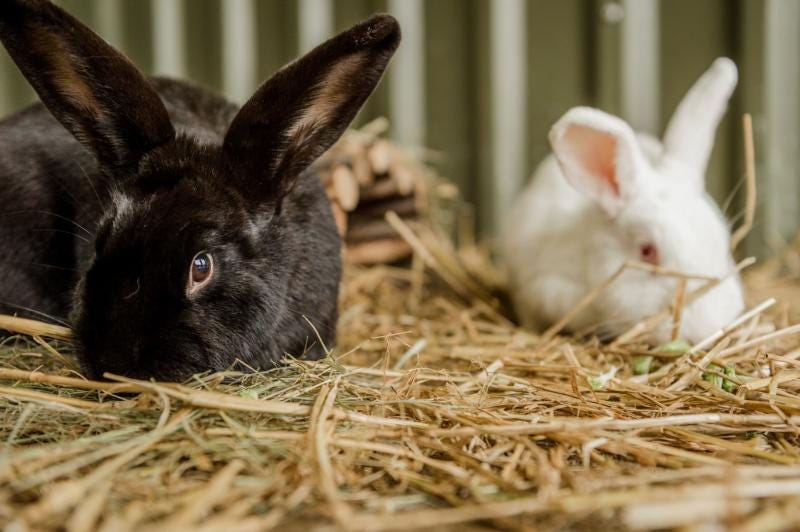
Image Source: miro.medium.com
Why Hay is the Cornerstone of a Rabbit Diet
A healthy Rabbit diet relies heavily on hay. Hay provides the essential fiber rabbits need for life. This fiber keeps their gut moving properly. It also helps wear down their continuously growing teeth. Without enough fiber, rabbits face serious health issues. These issues include gut stasis and dental abscesses. For pet rabbits, hay should make up about 80% of what they eat daily.
The Critical Role of Fiber Intake for Rabbits
The digestive system of a rabbit is delicate. It needs constant roughage. This roughage stimulates gut motility. Motility means things move through the gut smoothly. Low fiber intake for rabbits causes serious problems. Their digestive system can slow down or stop completely. This is called GI stasis, and it is a medical emergency. Therefore, providing unlimited, fresh hay is not optional; it is mandatory for good rabbit digestive health.
Fathoming the Difference Between Horse Hay and Rabbit Hay
Not all hay is the same. Farmers cut and cure hay for different animals. Horses have different needs than rabbits do.
Nutritional Differences
Horses are larger animals. Their nutritional requirements differ greatly from small herbivores like rabbits.
- Protein Levels: Horse hay often has higher protein than what a pet rabbit needs, especially for an adult rabbit. Too much protein can strain a rabbit’s kidneys.
- Calcium Levels: Calcium levels can also be too high in certain types of horse hay. High calcium leads to bladder sludge or stones in rabbits.
- Energy Density: Some hays are very rich. Rich hays are great for hard-working horses but can cause weight gain and digestive upset in pet rabbits.
Additives and Contaminants in Horse Hay
This is the biggest worry when feeding horse hay to bunnies. Horse feed is managed differently than premium small animal hay.
- Medications: Horses are sometimes treated with medications applied topically or through feed that might not be safe for rabbits.
- Pesticides and Herbicides: The field where the hay was grown might have been treated with chemicals harmful to small pets.
- Toxins: Horse hay can sometimes contain weeds or molds that a rabbit’s sensitive system cannot handle. Horses are often better at picking around bad spots in their feed than rabbits are.
Analyzing Common Types of Horse Hay
If you are considering using horse hay, you must know exactly what kind it is. We look at the most common types.
Timothy Hay for Rabbits vs. Horse Timothy
Timothy hay for rabbits is the gold standard for adult bunnies. It has a great balance of fiber, calcium, and protein.
- Horse-Grade Timothy: This is often coarser and may be harvested later in the season. It usually has lower nutrient density than premium bagged or boxed rabbit hay. If it is pure, unmedicated, grass-cut Timothy, it is likely safe in moderation.
Alfalfa Hay for Rabbits Considerations
Alfalfa hay for rabbits is very different from grass hay. It is high in protein and calcium.
- When Alfalfa is Okay: Alfalfa hay for rabbits is primarily for babies (kits under 6 months), pregnant, or nursing does. It supports rapid growth.
- Horse Alfalfa: Horse alfalfa bales are huge and often very rich. Feeding this to an adult pet rabbit risks obesity and bladder stones. It should almost never be the primary hay source for a pet rabbit, regardless of whether it was grown for horses or rabbits.
Can Rabbits Eat Meadow Hay?
Can rabbits eat meadow hay? Yes, meadow hay is usually a mix of various grasses. Many commercial safe hay for bunnies brands market their mixed grass hays as “meadow hay.”
- Horse Meadow Hay: If the horse meadow hay is simply a mix of safe grasses (like orchard grass, brome, or fescue) and is clean, it is safe. If it contains legumes (like clover or alfalfa) or has been treated, it is not ideal.
Deciphering Hay Labels: What to Look For
When looking at a bale labeled “Horse Hay,” you need to be a detective. Ask the supplier specific questions.
Essential Questions for the Supplier
- What specific grasses are in the mix?
- Was the hay treated with any pesticides or herbicides?
- Is there any grain, molasses, or mineral mix added to the bale?
- When was it cut, and how has it been stored (is it dry and dust-free)?
If the answers are vague, or if the hay looks dusty, smells musty, or has visible seeds or legumes, do not feed it to your rabbit.
Table: Hay Suitability Comparison
| Hay Type | Primary Use | Suitability for Adult Pet Rabbit | Key Concern |
|---|---|---|---|
| Plain Grass Horse Hay (Timothy/Orchard) | Horse Maintenance Feed | Generally Safe (Secondary) | Potential for higher dust/less premium quality |
| Alfalfa Horse Hay | Horse Growth/High Energy Feed | Unsafe as primary feed | Too high in protein and calcium |
| Standard Rabbit Timothy Hay | Primary Rabbit Fiber Source | Excellent | N/A |
| Contaminated/Weedy Hay | Varies | Dangerous | Toxins, mold, or unsafe weeds |
How to Introduce New Hay Safely
If you have a source of potentially safe hay for bunnies that was intended for horses, you must introduce it slowly. Rabbits have very sensitive digestive tracts. Suddenly changing their hay can cause serious issues.
The Transition Process
- Inspection: First, thoroughly inspect the hay by hand. Pull apart clumps. Look for dark spots (mold), shiny seeds, or foreign objects.
- Mixing: Mix a very small amount (about 10%) of the new hay with their familiar best hay for rabbits (like their usual Timothy).
- Observation: Watch your rabbit closely for 24 to 48 hours. Look for normal eating habits and normal droppings (round, numerous poops).
- Gradual Increase: If they eat it well and show no signs of GI upset, slowly increase the ratio over one to two weeks.
If your rabbit stops eating its regular hay or produces soft or reduced droppings, stop immediately and return to the old hay.
Focusing on the Best Hay for Rabbits
While horse hay might be okay in a pinch or as an occasional treat component, it should never be the main event. Owners need to prioritize hay grown and processed specifically for small animals.
Why Timothy Hay Reigns Supreme
Timothy hay for rabbits is the foundation of a mature rabbit’s diet. It offers the perfect fiber length and nutrient profile. It keeps their cecum (the part of the gut that ferments fiber) working correctly.
Exploring Other Safe Grass Hay for Rabbits
Many rabbits enjoy variety. Offering different grass hay for rabbits helps ensure they get a broader range of nutrients and keeps them interested in eating hay.
- Orchard Grass Hay: Very soft and palatable. Good for rabbits who are picky eaters.
- Oat Hay: Contains the seed heads, which rabbits love, offering a different texture. Should be fed in moderation due to higher fiber length.
- Brome Hay: A common, good-quality grass hay, often similar to Timothy but can vary widely.
The Importance of Variety in Hay Types for Rabbits
Providing two or three different types of grass hay rotated regularly can boost engagement. This mimics the varied grazing they would do in the wild. This diversity supports robust rabbit digestive health.
Recognizing Signs of Hay-Related Digestive Issues
If you switch to horse hay or change hay types, watch your rabbit closely. Early detection saves lives when it comes to gut issues.
Changes in Droppings
This is the first sign something is wrong.
- Small Poops: Fewer droppings than usual.
- Misshapen Poops: Poops that are flattened, mushy, or very small.
- No Poops: If the rabbit stops producing feces entirely, this is an emergency (GI stasis).
Eating Habits
- Refusing Hay: If the rabbit turns up its nose at the hay, the texture, smell, or taste might be off-putting or irritating.
- Lethargy: If the rabbit is tired, hunched over, or hiding, check its gut immediately.
Storing Hay Properly for Rabbit Safety
Even the highest quality hay can quickly become unsafe if stored poorly. This applies whether it’s horse hay or rabbit hay.
Protecting Hay from Moisture and Heat
Moisture is the enemy of hay. Damp hay breeds mold and bacteria very quickly.
- Keep it Dry: Store hay indoors, off the floor if possible (use pallets or shelving).
- Avoid Direct Sun: Heat degrades the nutritional value and can make hay spoil faster.
- Ventilation: Hay needs to breathe. Do not seal it tightly in plastic bags unless they are specifically designed for hay storage. If you buy a large bale meant for horses, portion it out into smaller, breathable containers for your rabbit’s daily supply.
Frequently Asked Questions About Feeding Hay
Can my bunny eat hay that was sitting out in the rain briefly?
No. If hay has gotten wet, it must be discarded. Even if it dries out later, it has likely started to mold or ferment. This mold is toxic to rabbits and guarantees problems with rabbit digestive health.
Is Alfalfa hay safe for my adult rabbit if it’s only a tiny bit mixed in horse hay?
A tiny, occasional nibble of clean alfalfa is unlikely to cause immediate harm to a healthy adult. However, it should not be a regular part of the diet. If you notice any urine that seems thick or pasty, cut out the alfalfa immediately. Stick to grass hay for rabbits for adults.
What is the main difference between the best hay for rabbits and typical horse hay?
The best hay for rabbits, like high-grade Timothy, is generally cut earlier, resulting in softer stems, lower calcium, and balanced protein suitable for small herbivores. Horse hay is often coarser, higher in energy, and sometimes contains treatments or weeds that are not vetted for rabbits.
Can rabbits eat meadow hay if it’s clean?
Yes, can rabbits eat meadow hay? If the meadow hay is composed only of safe grasses (like orchard, timothy, fescue, or brome) and is free from weeds, molds, or pesticides, it is a perfectly good alternative to pure Timothy. It provides excellent fiber intake for rabbits.
How much hay should my rabbit eat daily?
Your rabbit should have unlimited access to hay. They should eat a pile roughly the size of their body every day. This constant grazing ensures sufficient fiber intake for rabbits.