
Horse leases are agreements that let you use a horse without buying it outright. They offer a flexible way to enjoy riding and caring for an equine partner. This setup is much like renting a house instead of buying one. It involves setting clear rules for who pays for what and how the horse is used.
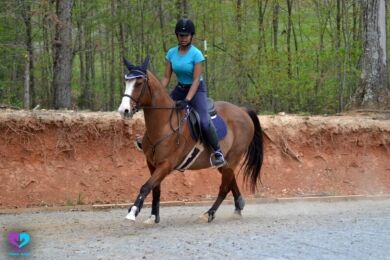
Image Source: cdn-jjfod.nitrocdn.com
Exploring Equine Leasing Options
Leasing a horse is a great choice for many riders. Maybe you are not ready for the huge cost of owning a horse. Perhaps you only want to ride part-time. Or maybe you need a horse for a specific show season. Equine leasing options fit many different needs.
Horse Ownership vs Leasing
Choosing between horse ownership vs leasing is a big step. Owning means you pay for everything all the time. This includes feed, vet bills, farrier care, boarding, and insurance. You also make all the big decisions. Leasing spreads out the cost and responsibility.
| Feature | Horse Ownership | Horse Leasing |
|---|---|---|
| Upfront Cost | Very high (purchase price) | Low to moderate (lease fee) |
| Ongoing Costs | 100% of all expenses | Shared or fully covered by lease fee |
| Commitment | Long-term, permanent | Fixed term, easier exit strategy |
| Decision Making | Total control | Rules set in the lease agreement |
| Risk | Full financial risk | Shared or limited risk |
Types of Horse Leases
There are several types of horse leases available. Each one works a bit differently. Knowing the main types helps you pick the right fit.
Full Horse Lease
A full horse lease is the most like ownership. You pay a set monthly fee. You are usually responsible for all the horse’s costs. This includes board, feed, vet care, and shoeing. You get to decide where the horse is kept and how it is trained. It is a long-term commitment, often for a year or more. You get almost all the benefits of owning without the purchase price.
Partial Horse Lease
A partial horse lease splits the time and cost. You pay a portion of the monthly fee and expenses. This fee usually covers a set number of rides or days per week. For example, you might lease a horse for three days a week. The owner uses the horse the other four days. Or, the lease payment might cover board, and you pay for your own lessons or farrier visits. This is great for riders who cannot ride every day.
Workshop or Training Leases
Sometimes, leases focus on training goals. These are common for younger or green horses. The lessee agrees to maintain a specific training schedule. This helps develop the horse for the owner. The lease fee might be lower in exchange for sticking to the training plan.
Lease to Own a Horse
For those ready to commit long-term but need time to save, a lease to own a horse option exists. You pay a lease fee for a set time. Part of that fee goes toward the final purchase price. At the end of the term, you have the option (or obligation) to buy the horse for a set price. This lowers the initial buying hurdle.
Components of a Horse Lease Agreement
A solid horse lease agreement is vital. This paper protects both the horse owner and the person leasing the horse (the lessee). Never lease a horse without a written contract. Clear terms prevent future fights.
Key Clauses in the Contract
The agreement must cover many points clearly. Get this in writing before the horse moves.
Duration and Termination
This section states when the lease starts and ends. It also spells out what happens if one party needs to end the lease early. Are there penalties for breaking the contract early?
Financial Responsibilities
This is crucial. Who pays for what? Be specific about:
* Monthly lease fee amount.
* Boarding location and who pays the stable bill.
* Routine vet care (vaccines, dental floating).
* Emergency vet care costs.
* Farrier costs (shoes or trims).
* Insurance needs.
Use of the Horse
This defines how you can use the horse.
* How many days a week can you ride?
* Are there restrictions on where you can ride (e.g., must stay at the current barn)?
* Can you take the horse off the property? This is important for trail riding.
* Are competition entries allowed? If so, who pays the entry fees?
Veterinary and Farrier Care
The contract must say who picks the vet and farrier. It should detail the required schedule for routine care. For example, shoes must be replaced every six weeks. If the lessee is responsible, they must follow the schedule. Emergency care rules must be clear. Who makes the call? Who pays the first large deposit?
Insurance and Liability
The owner often needs insurance on the horse for mortality (if the horse dies). The lease agreement should state if the lessee needs their own liability insurance. This protects the owner if the lessee causes injury to someone else while riding.
Assessing Your Needs Before Leasing
Before signing anything, take time for serious reflection. Leasing considerations horse interactions are deeply personal. You need to match your skills and budget to the horse.
Determining Your Riding Level and Goals
Be honest about your skills. Are you a beginner, intermediate, or advanced rider? Leasing an experienced show horse when you are a beginner is risky for both of you.
- Goal Setting: What do you want to achieve? Show results? Just trail riding? Fitness?
- Time Commitment: Can you visit the horse as often as the lease demands? Remember grooming and care take time, too.
Budgeting for Lease Costs
A lower monthly lease fee does not always mean a cheaper deal overall. Always factor in the hidden costs.
| Expense Category | Full Lease Estimate | Partial Lease Estimate |
|---|---|---|
| Monthly Lease Fee | High | Medium |
| Board (if included) | Included in fee | Varies, often separate |
| Routine Vet/Farrier | Lessee pays extra | Lessee often pays extra |
| Show Fees/Travel | Lessee pays extra | Lessee pays extra |
| Unexpected Injury Fund | Essential | Essential |
Always set aside money for emergencies. A colic surgery can cost thousands quickly.
Trying Before Committing: The Trial Horse Lease
If you are unsure about a specific horse, ask about a trial horse lease. This is a short-term arrangement, maybe just a few weeks. It lets both parties see how the partnership works. It tests the horse’s temperament with you and your ability to meet its needs. A trial lease often has a smaller fee or may be free if the trial leads to a longer contract. It is a vital step in making sure the match is right.
The Process of Finding and Securing a Lease
Finding the right horse involves searching, trying out prospects, and finalizing the paperwork.
Where to Search for Leases
Many places offer horses for lease. You should look where quality horses are usually found.
- Local Barns and Trainers: Often, good trainers have lesson horses or client horses available for lease when the client takes a break.
- Online Classifieds: Websites dedicated to horse sales often have lease listings. Be cautious and meet the owner in person.
- Word of Mouth: Ask around at your local equestrian community. A good match might be waiting for you at a friend’s barn.
Evaluating Potential Lease Horses
When you look at a horse, do more than just ride it once. You need to evaluate its whole package.
Observing Health and Temperament
Watch the horse move when no one is riding it. Is it sound? Does it seem happy in its environment? If you are leasing a horse, you must trust its general well-being. Ask for full medical history. Were there past injuries?
Riding Evaluations
Ride the horse several times. Ride it in different gaits. If you plan to jump, jump it. Bring your trainer if you have one. They can offer an objective view. A horse that feels perfect for 20 minutes might feel very different after an hour.
Finalizing the Horse Lease Agreement
Once you find “the one,” it is time for the legal side. Do not rush this step. Review every line item in the horse lease agreement.
- Get signatures from all parties involved.
- Keep the original copy safe.
- If you are a minor, your parent or guardian must sign.
The Responsibilities of Leasing a Horse
Leasing means taking on real duties. You are now the primary caretaker during your lease period. This is the core of the experience when leasing a horse.
Daily Care and Management
Even in a full lease where you pay for board, you are still responsible for daily oversight.
- Checking Condition: Look at the horse every day. Is it eating? Is its coat shiny? Any swelling or cuts?
- Follow Instructions: If the owner requires specific supplements or tack, you must use them.
Training and Fitness
The horse needs to stay fit. If you are leasing for showing, the training needs to be consistent. Inconsistent riding schedules can cause behavioral or physical problems. If you cannot ride due to weather or travel, what is the plan? Does the owner step in? Does the lease allow someone else to ride in your place?
Managing Conflict
What if you disagree with the owner about the horse’s care? For example, you think the horse needs new shoes, but the owner disagrees with your farrier’s advice. The horse lease agreement should guide these decisions, usually deferring major medical decisions to the owner. Clear communication prevents small issues from becoming large contract disputes.
The Exit Strategy: Ending the Lease
Leases have end dates. Having a clear exit plan is as important as the start plan.
Returning the Horse in Good Condition
The contract will specify the required condition for return. Usually, this means the horse must be current on all routine care (vaccinations, trims). It should be returned in the same general health state it was in when you started, barring normal wear and tear.
Final Accounting
If expenses were shared, this is when accounts are settled. Did you owe for the last bag of feed? Did the owner owe you for a farrier bill you paid upfront? Settle all debts quickly. If you are doing a lease to own a horse, this is when the final purchase transaction occurs.
Frequently Asked Questions About Horse Leases
Can I lease a horse if I don’t have my own barn?
Yes, absolutely. Most leases are done at the owner’s barn where the horse is boarded. The lease fee usually covers the board cost, or the lessee pays the barn directly while paying the owner a separate lease fee.
What is the difference between a full lease and a partial lease?
A full horse lease means you take on nearly all the financial and time commitments, essentially using the horse as your own for the term. A partial horse lease splits the time and costs, meaning you only use the horse part-time.
Is leasing a horse cheaper than buying?
Usually, yes. Leasing avoids the large initial purchase price. While monthly costs are incurred, they are often less than the total monthly cost of owning (mortgage equivalent, board, insurance, etc.).
What if the horse gets injured while I am leasing it?
This depends entirely on the horse lease agreement. Typically, if the injury is not due to gross negligence by the lessee (like improper riding or ignoring vet advice), the owner covers major medical expenses, especially if the horse is insured. The agreement must detail who pays deductibles or routine costs during recovery time.
Can I lease a horse from far away?
Yes, this is called an “off-site” or “pasture lease.” However, these require extreme diligence. You must trust the caretaker implicitly, as you cannot check on the horse daily. These are often used when the lessee only wants the horse for specific shows or breeding purposes.
What is a trial horse lease?
A trial horse lease is a short, temporary agreement, often lasting only a few weeks. It lets both the rider and the owner test the compatibility of the horse and rider before signing a long-term contract.