
The average cost of horse training can range widely, often falling between \$500 and \$2,500 per month, depending on the training intensity, location, and the trainer’s experience level.
Deciding to send your horse for professional instruction is a big step. It involves significant financial planning. People often ask, “What is the total expense for quality horse training?” The answer is not simple. It changes based on many things. We will look closely at all the parts that make up the bill for equine education pricing. Knowing these details helps with budgeting for horse training effectively.
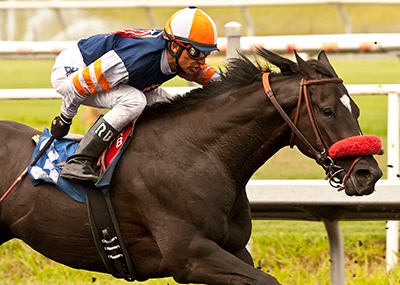
Image Source: www.littleredfeather.com
Factors Affecting Horse Training Costs
Many things push the final price up or down. It is crucial to grasp these points before committing. They shape your total horse training fees.
Trainer Experience and Reputation
Highly skilled trainers charge more. Experience matters a lot in the horse world. A trainer with decades of success in the show ring commands higher rates. They have proven results. Beginners or less experienced trainers will have lower full-time horse training rates.
- Master Trainers: Charge premium rates due to their proven track record.
- Intermediate Trainers: Offer good value for solid results.
- Apprentice Trainers: Lower costs, but might need more supervision.
Location of the Training Facility
Where you live greatly affects costs. Training in a major city area costs much more than training in a rural setting. Land prices and local wages impact the cost of professional horse training. Boarding fees—which often include basic training time—are higher near big metropolitan areas.
Type and Intensity of Training Required
Do you need basic groundwork? Or do you need a horse ready for a top-level competition? The level of detail changes the price. Simple obedience takes less time than preparing for high-level dressage tests. This is a key element in the price of specialized horse training.
Boarding Requirements
Most training happens where the horse lives on-site at the trainer’s barn. Board usually covers hay, basic care, and turnout. However, premium board (like indoor arena access or specialized feed) adds to the monthly bill. Always check what the standard board includes versus what is extra.
Deciphering Training Program Structures
Horse training comes in several formats. Each format has a different pricing structure. You need to match the structure to your goals and your budget.
Private vs Group Horse Training Costs
This is a major divider in pricing. Private vs group horse training costs differ significantly.
- Private Training: The horse gets one-on-one attention. The trainer focuses only on your horse. This is the most expensive option. You pay for the trainer’s full, dedicated time.
- Group Training: Several horses train together. The trainer divides their time among the group. This reduces the cost for each owner. It is a great way to save money while still getting excellent instruction.
| Training Type | Typical Monthly Cost Range (Excluding Board) | Time Allocation | Best For |
|---|---|---|---|
| Private Lessons/Training | \$1,000 – \$3,000+ | High focus on one horse | Specific problem solving, high-level showing |
| Group Lessons/Training | \$500 – \$1,200 | Shared time among several horses | General improvement, budget-conscious owners |
Full-Time Training Versus Supplemental Lessons
Full-time horse training rates apply when the horse lives at the barn and trains almost every day. This is usually for horses being prepared for sale or major shows.
Supplemental lessons happen when your horse stays at your home barn. You pay per session. This is often cheaper if you only need weekly tune-ups.
- Full-Time: Daily handling, consistent work schedule. High monthly fee.
- Supplemental: Trainer visits a few times a week. Pay per visit, often \$75 to \$150 per session.
Expenses for Racehorse Training
The world of racing has unique and often higher expenses for racehorse training. These horses need specialized care, intense fitness work, and usually around-the-clock supervision.
Racehorse training often involves specialized tracks, high staff counts, and veterinary monitoring that goes beyond typical disciplines.
- High Staff Ratios: Racehorses require grooms, hot walkers, and specialized exercise riders.
- Specialized Facilities: Access to specific training tracks is mandatory.
- Medication and Supplements: Fitness demands often require more intensive veterinary oversight.
These operations usually run on a monthly retainer that covers board, feed, and training time. It is rare to find pay-per-lesson structures in full-scale racing training.
Comprehending Board Costs in Training Packages
Training fees rarely include the full cost of keeping the horse. Board is a separate, necessary expense. Horse training fees are usually calculated on top of board.
What is Included in Standard Board?
Standard board covers the basics of horse keeping.
- A stall or shared pasture space.
- Hay (usually 2-3 feedings per day).
- Water access.
- Basic bedding management.
Upgraded Board Costs
If your horse needs special care, the board goes up.
- Special Feeds: If the horse needs specific supplements or custom grain mixes, you pay for those ingredients.
- Extra Blanketing/Fly Spray: Labor costs for extra grooming or management tasks outside the norm.
- Turnout Services: If the barn staff must handle all daily turnout and bringing in, this labor might be an added charge.
When calculating your total budget, always add the monthly board cost to the monthly training fee.
The Price of Specialized Horse Training
Some disciplines require trainers with very niche skills. This specialized knowledge commands a premium price.
Show Jumping vs. Trail Riding Training
A trainer specializing in preparing a horse for the Grand Prix show jumping circuit needs years of specific knowledge. This is reflected in the price of specialized horse training.
Conversely, a trainer focused on basic trail manners might charge less because the required movements and fitness levels are less demanding.
Behavior Modification
If a horse has severe behavioral issues—like bucking, biting, or extreme spookiness—it requires intensive, specialized work. This is not standard training. Trainers who focus on equine behavior modification often charge higher hourly rates or require longer contracts because the work is mentally and physically taxing for the trainer.
Making Your Budget: What is the Average Cost of Horse Training?
To help visualize the typical spend, here is a general breakdown based on different training scenarios. Remember, these are estimates and will vary heavily by region.
| Training Scenario | Estimated Monthly Training Fee (Excluding Board) | Estimated Monthly Board (Average) | Estimated Total Monthly Cost |
|---|---|---|---|
| Part-Time Tune-Up (4 lessons/month) | \$600 | \$600 | \$1,200 |
| Intermediate Full-Time Training | \$1,500 | \$800 | \$2,300 |
| Elite/Specialized Full-Time Training | \$3,000+ | \$1,000+ | \$4,000+ |
Budgeting for horse training means looking past the initial fee. Think about gas money to visit the barn, entry fees if you attend shows while training, and routine vet/farrier bills that continue regardless of training status.
Hidden Costs in Equine Education Pricing
Many people focus only on the monthly training payment. But there are other expenses related to the education process.
Show Fees and Show Travel
If the goal of training is to compete, you must budget for shows.
- Entry Fees: Paying to enter the classes your horse competes in.
- Stabling at Shows: Barn fees at the event location.
- Trainer Fees at Shows: Trainers usually charge a daily rate just to be present and coach you during the show weekend. This is separate from the regular training rate.
Equipment Upgrades
Sometimes, a trainer will recommend specific tack for better communication or safety during the training process.
- New bits, specialized saddles, or protective boots might be needed. This is an upfront investment outside the monthly horse training fees.
Layover Costs
If you decide to pull your horse out of training temporarily, some barns charge a “layover fee.” This holds your horse’s spot in the training rotation when you return. Always check the contract regarding temporary breaks.
Grasping Contract Details and Payment Terms
Good communication about payment prevents future friction. Always get the agreement in writing.
Payment Schedules
Most trainers require payment upfront, usually by the 1st of the month. Late payments can sometimes lead to a late fee or, worse, a temporary halt in your horse’s training schedule. Consistent payment supports consistent training.
Cancellation Policies
What happens if you need to cancel a week of training? Does the trainer still expect full payment? Do they offer makeup sessions? Clear policies on cancellations are vital for managing your budgeting for horse training.
For example, many trainers require 30 days’ notice if you plan to remove the horse from their program completely.
Comparing Private vs Group Horse Training Costs in Detail
Let’s dive deeper into why private vs group horse training costs are so different.
In a private session, the trainer is dedicating 100% of their energy, expertise, and focus to your horse for the entire hour. This high level of personalized service is inherently more valuable and therefore costs more.
In group settings, the structure is usually more about instruction than intense, one-on-one bodywork or pattern repetition.
- Group Pros: Lower cost, social setting, opportunity to learn from others’ rides.
- Group Cons: Less time focused solely on your horse’s unique issues, potential for delays waiting for others.
If you are seeking the absolute fastest results or addressing a complex behavioral problem, the higher price of private instruction is often worth the investment in faster progress.
Final Thoughts on Investing in Equine Education Pricing
The cost of professional horse training is an investment in your horse’s future safety, value, and partnership with you. It should not be viewed as just an expense, but as preventative maintenance and skill building.
When seeking equine education pricing, always interview the trainer. Ask detailed questions about what their fees cover. Compare what different trainers offer for their full-time horse training rates. Do not just choose the cheapest option. Choose the option that offers the best fit for your horse’s temperament and your long-term riding goals. A good trainer saves you time and money in the long run by preventing bad habits from forming.
Frequently Asked Questions (FAQ)
Q: Does the board cost always include training time?
A: Usually, no. Board covers basic care. Training fees are added on top of the board. Always confirm if the quoted price is “Training Included” or “Training Add-On.”
Q: How long does it take to train a green horse?
A: This varies greatly. A young horse needing basic manners might take 6 to 12 weeks of full-time training. A horse destined for advanced competition might take several years of ongoing coaching.
Q: Are there discounts for long-term training contracts?
A: Some trainers offer a slight discount if you commit to three or six months of continuous training upfront. Ask your potential trainer about their policy on multi-month commitments.
Q: Can I pay a trainer to just come to my barn instead of boarding my horse?
A: Yes, this is common. These are called “haul-in” or “traveling instructor” fees. The trainer will often charge their standard lesson rate plus a travel fee based on mileage. This avoids board costs but adds travel time to their day.
Q: What is the difference between “schooling” and “training” fees?
A: In many barns, “schooling” refers to the trainer riding the horse regularly to keep it fit and sharp (sometimes daily, often without the owner present). “Training fees” usually refer to dedicated teaching sessions designed to impart new skills. Sometimes, these terms are used interchangeably, so always define the activity before agreeing to the price.