
A miniature horse can safely carry about 20% to 25% of its own body weight. This means a typical miniature horse weighing 350 pounds can carry between 70 and 87.5 pounds.
Miniature horses are amazing little animals. They are strong for their size. People often wonder how much work these small equines can really do. Can they pull carts? Can they carry gear? The simple answer depends on several things. We need to look at the horse’s health, training, and the job it is doing. This guide will explore the miniature horse carrying capacity guide in detail. We will look at packing, pulling, and driving limits.
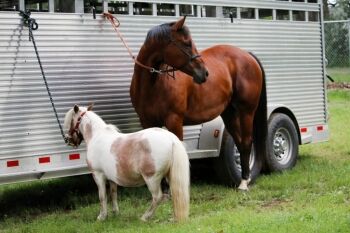
Image Source: cdn-jjfod.nitrocdn.com
The Basics: Miniature Horse Weight and Strength
Miniature horses are not just small ponies. They are a distinct breed. They are bred to be small but sturdy. Most registered miniature horses weigh between 250 and 450 pounds. Their build is compact. They have strong bones and good muscle mass for their size.
Determining a Safe Load
Veterinarians and equine experts agree on a general rule for carrying weight. This rule helps keep the horse sound and healthy for a long time.
The standard guideline suggests a safe load miniature horse should not exceed 20% of its body weight. For some very fit and well-conditioned individuals, this might stretch to 25%. Going above this limit puts stress on their legs, back, and joints.
Let’s look at a simple chart to see these limits in action.
| Miniature Horse Weight (Approx.) | 20% Carrying Limit (Safe Load) | 25% Maximum Limit |
|---|---|---|
| 250 lbs | 50 lbs | 62.5 lbs |
| 350 lbs | 70 lbs | 87.5 lbs |
| 450 lbs | 90 lbs | 112.5 lbs |
This calculation is key for determining miniature horse saddle weight limit when riding or packing.
Miniature Horse Carrying Capacity: Riding vs. Packing
The weight a miniature horse carries is different if it is riding them or if they are used as a miniature horse pack animal load.
Riding Limits
Riding a miniature horse is popular for very small children or for therapy work. The rider’s weight must include the saddle and any gear.
- Saddle Weight: A small youth saddle might weigh 10 to 15 pounds. A bareback pad might weigh 5 pounds.
- Rider Weight: Even a small adult weighs far too much. A 100-pound child, plus a 10-pound saddle, equals 110 pounds. For a 350-pound horse, this is over 30% of its weight—too much for daily work.
- Safe Riding: For safe riding, the total load should stay under 20%. A 350-pound horse should only carry a rider weighing about 70 pounds maximum, including the tack.
It is vital to judge the rider against the horse’s actual size and fitness, not just its breed.
Packing Gear
Using miniatures as pack animals is a great way to carry light gear on trails. They can carry supplies for camping, hunting, or trail maintenance.
When packing, you use specialized pack saddles. These distribute weight better than riding saddles. The total load should still respect the 20-25% rule.
For a 350-pound horse, the maximum pack load is around 87.5 pounds. This load must be balanced perfectly. Uneven loads cause severe back strain. This limit dictates the miniature horse hauling weight they can manage over distance.
Miniature Horse Draft Work Limits: Pulling Power
When we talk about miniature horse weight pulling capacity, we shift focus from carrying weight on their back to pulling weight behind them. Pulling is different from carrying. A horse can often pull more than it can carry. This is because they use their powerful hindquarters and leverage.
Pulling Capacity vs. Carrying Capacity
The general rule for draft work is that a horse can pull 1.5 to 2 times its body weight on a hard, smooth surface for a short time. However, this is often measured in miniature horse draft work limits for competition. For routine, safe work, we should aim lower.
The maximum weight miniature pony can pull in a cart or sled depends heavily on friction.
Factors affecting pulling weight:
- Surface: Pavement or hard-packed dirt allows for greater loads. Sand, snow, or deep mud increases friction significantly.
- Wheels: Carts with good, large, low-friction wheels are best.
- Incline: Pulling uphill dramatically reduces capacity.
- Duration: Short bursts of pulling are fine, but sustained pulling needs lighter loads.
Calculating Draft Work Loads
A very fit 350-pound miniature horse, properly trained and hitched, might pull 500 to 700 pounds for a very short distance on a smooth surface.
However, for regular, enjoyable driving, most experts recommend the total weight (cart + driver + harness) should not exceed 1.5 times the horse’s body weight.
For a 350-pound horse, this means a safe driving weight limit of around 525 pounds total.
If the horse is pulling a cart with a single light driver (say, a small child weighing 50 pounds), the cart itself should weigh no more than 475 pounds. This is a very heavy cart for a miniature horse! Most driving rigs are much lighter.
A more realistic miniature horse pulling strength limit for enjoyable driving might be keeping the total pulled weight closer to the horse’s own body weight (1:1 ratio) if driving for any length of time.
Factors Affecting Miniature Horse Carrying Capacity
The simple percentage rule (20-25%) is just a starting point. A horse’s actual capacity changes based on many variables. To truly grasp the miniature horse carrying capacity chart, we must look deeper.
Age and Fitness Level
Just like people, young and old horses have different limits.
- Foals and Weanlings: They should carry virtually nothing. Their bones and growth plates are still developing.
- Young Horses (1-3 Years): They should only carry very light weight to get them used to the feeling. Never push them to their maximum.
- Mature Horses (4-12 Years): This is when they are at their peak fitness. They can safely manage the 20-25% range if conditioned well.
- Senior Horses (15+ Years): Their joints might be weaker. Their carrying weight should decrease significantly, perhaps down to 10-15%.
Conditioning is crucial. A fit horse that works regularly can handle its limit better than a fat, out-of-shape horse.
Conformation (Body Structure)
Conformation describes how the horse is built. Good conformation supports heavy loads better.
- Strong Back: A short, strong back is better than a long, weak back.
- Good Hindquarters: Strong hind legs provide the power for pulling and help absorb impact when carrying weight.
- Sound Legs: Straight legs with strong bone structure are essential for carrying weight over time without injury.
A horse with poor conformation might only be fit to carry 15% safely, even if it is mature.
Terrain and Duration
Where and how long the horse works changes the calculation completely.
- Short Bursts on Flat Ground: They can manage the higher end of their limit (25%).
- Long Trails or Hills: The duration and added stress of slopes mean the load must be significantly lighter—aim for 15-20%. A 10-mile hike carrying 25% might injure a horse that could handle a 1-mile sprint at that weight.
Specialized Work: Hoof Care and Weight Distribution
For any work involving weight, the horse’s feet are the foundation. Poor hoof care can severely limit how much weight a miniature horse can handle.
The Importance of Good Shoeing/Trimming
Weight transfers directly through the legs to the hooves. If the hooves are not trimmed correctly, or if shoes are improperly fitted, the strain of carrying weight increases immediately.
- Balance: The farrier must ensure the hoof is balanced to distribute the load evenly.
- Support: For driving, specialized pads or shoes might be used to support the heels, especially when pulling heavy loads.
Utilizing Pack Saddles Correctly
If using the horse as a pack animal, the harness system is critical for maximum miniature horse hauling weight.
- Balance is Key: The load must be perfectly balanced side-to-side. An imbalance of even a few pounds on one side causes compensating muscle strain on the other.
- Fit: The pack saddle must fit the horse’s back snugly without pinching the withers or resting heavily on the spine. Pressure points cause sores and can lead to long-term back issues.
- Securing the Load: Panniers (saddle bags) must be secured tightly so the contents do not shift during movement.
Comparing Miniature Horse Draft Work Limits to Other Equines
It helps to see where the miniature horse fits in the equine world regarding power. They are often compared to small ponies or large dogs used for work.
Miniature Horses vs. Standard Ponies
A standard Shetland pony (often 400-500 lbs) can usually carry a slightly higher percentage of weight, perhaps up to 25-30%, due to denser bone structure typical of true ponies. However, miniatures are often bred for extreme refinement, making them slightly less stocky than some traditional pony breeds.
Miniature Horses vs. Draft Dogs
Some large breeds of dogs, like Newfoundlands or St. Bernards, can pull loads approaching their own weight in sleds. A 100-pound dog might pull 150 pounds. A 350-pound miniature horse, therefore, has a significantly higher overall power potential than even a very large working dog. This solidifies their role as capable, light-duty draft animals when used correctly.
Safety Checks Before Putting a Load On
Before attempting any pulling or carrying task, always perform these safety checks. This proactive approach prevents injury and ensures the horse’s well-being. This is essential for establishing reliable miniature horse pulling strength testing.
Pre-Work Checklist:
- Health Check: Is the horse moving freely? Any signs of lameness or stiffness?
- Tack Inspection: Check all straps, buckles, and saddles for wear or damage. A broken strap under load is dangerous.
- Weight Confirmation: Double-check that the total weight is within the 20-25% carrying guideline or the appropriate pulling estimate.
- Environmental Check: Is the ground too slippery, muddy, or steep for the planned task?
- Conditioning Review: Has the horse been worked up to this level of work gradually? Never ask for a maximum effort from an unconditioned animal.
Summary of Carrying and Pulling Guidelines
To simplify, here is a quick reference for the miniature horse carrying capacity guide:
| Activity Type | Recommended Maximum Load (As % of Body Weight) | Notes |
|---|---|---|
| Carrying (Riding/Packing) | 20% (Ideal) to 25% (Max Short Term) | Must include tack/saddle weight. Fit and conditioning matter most. |
| Light Driving (Flat ground, short distance) | Cart weight up to 100% of horse weight | Focus on low friction and smooth starts. |
| Heavy Driving (Competition or long haul) | Total pulled weight up to 150% of horse weight | Requires high fitness, excellent footing, and slow, steady work. |
Conclusion: Respecting the Miniature Horse’s Capabilities
Miniature horses are indeed strong for their size. They excel at light draft work and carrying small loads for children or supplies. The key to maximizing their usefulness while ensuring their longevity is respect for their physical limits.
By adhering to the 20% carrying rule and carefully calculating pulling loads based on friction and terrain, owners can enjoy many years of safe partnership with these wonderful equines. Knowing the miniature horse weight pulling capacity means knowing when to ask for more and, more importantly, when to ask for less.
Frequently Asked Questions (FAQ)
Can a 200-pound adult ride a miniature horse?
No, a 200-pound adult should never ride a standard miniature horse. Even if the horse weighs 400 pounds, a 200-pound adult represents 50% of its weight, which is extremely dangerous and will cause injury. Miniatures are intended for very small children or therapy sessions with minimal imposed weight.
What is the difference between carrying weight and pulling weight for a miniature horse?
Carrying weight (packing or riding) puts direct, static vertical pressure on the horse’s spine and legs. Pulling weight (draft work) uses the horse’s hindquarters for leverage against the ground. Horses generally manage higher weight totals when pulling, provided friction is low, compared to carrying weight directly on their back.
How much does a miniature horse harness weigh?
A full harness for a miniature horse used in driving typically weighs between 10 and 18 pounds, depending on the materials and style (driving vs. cart vs. light draft). This weight must always be factored into the total load calculation when assessing the miniature horse pulling strength.
Are miniatures used as guide animals?
Yes, miniature horses are increasingly used as guide animals, especially for people who are allergic to dogs or need a longer-lived service animal. When used as guide animals, they are trained to carry light gear (like a small service vest or water bottle), staying well within their safe carrying limits.
What is the maximum height for a miniature horse?
The height standard recognized by the American Miniature Horse Association (AMHA) is 34 inches at the withers (the ridge between the shoulder blades). The British Miniature Horse Society (BMHS) has a slightly higher limit of 38 inches.
Do miniature horses need specialized shoeing for draft work?
For casual, very light driving, standard trimming is often sufficient. However, if the horse is regularly involved in miniature horse draft work limits testing or heavy hauling, specialized shoeing that offers good traction and sole support is highly recommended by farriers to protect the hooves under strain.