
Can I make my own horse treats? Yes, you absolutely can make your own horse treats! Making homemade horse snacks is a great way to control what your horse eats. This ensures you use safe ingredients for horse treats. Many owners prefer making healthy horse treats DIY because it avoids unknown fillers found in store-bought options.
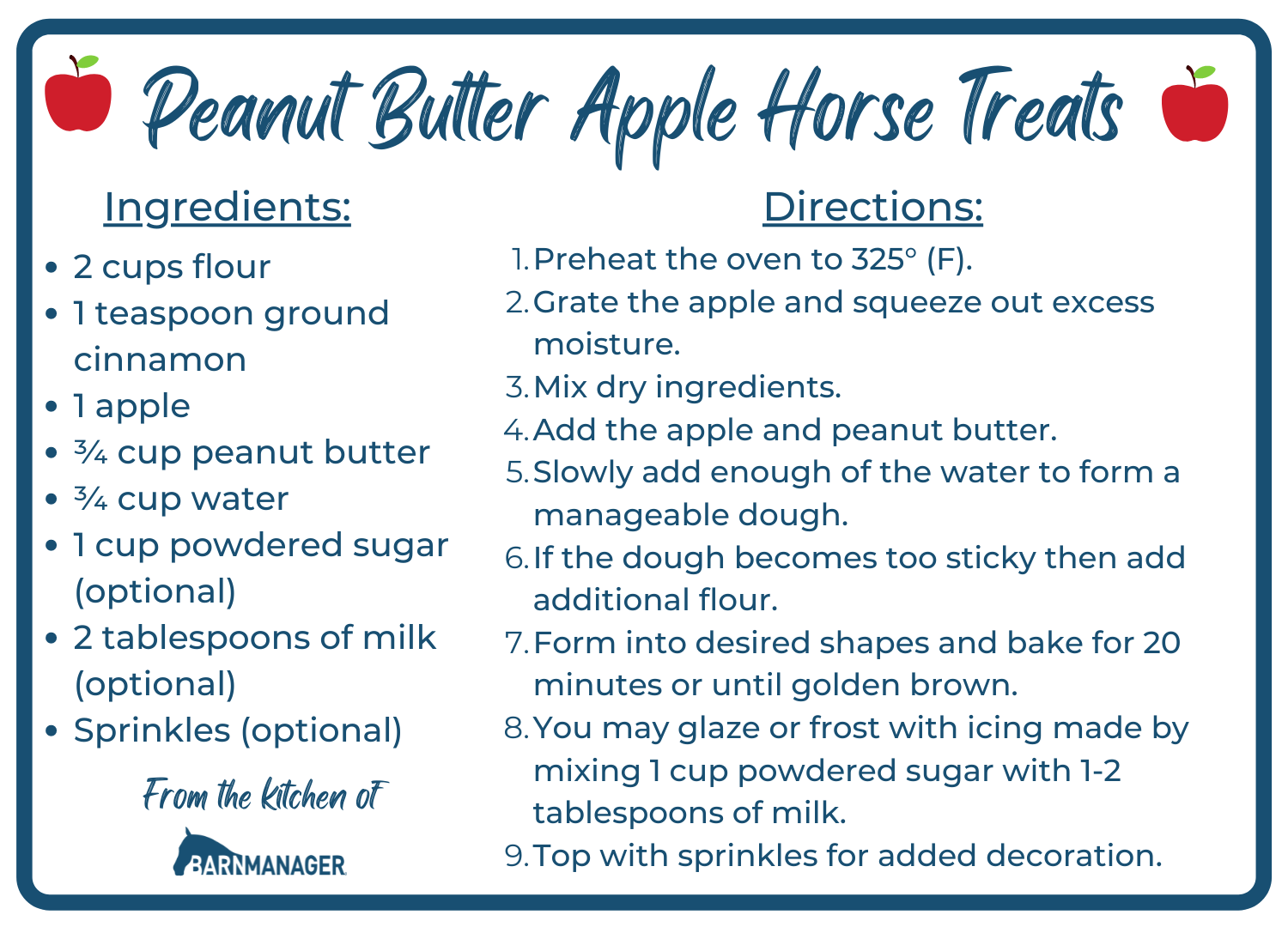
Image Source: www.barnmanager.com
Why Bake Your Own Horse Treats?
Giving your horse treats is fun. It builds trust. But store-bought treats can sometimes have things your horse does not need. Think about sugar or weird additives. When you bake at home, you take charge. You choose only good, healthy things. This is key for happy, healthy horses.
Health Benefits of Homemade Snacks
Store-bought treats often use molasses heavily to make them tasty. Too much sugar is not good for horses. Horses can easily get too much sugar. This is especially true for ponies or horses with certain health issues like laminitis.
When you make your own, you can lower the sugar. You can also add beneficial items. Think of adding things that act like healthy horse feed supplements naturally.
- Control Sugar Intake: You decide how much sweetener to use. Use natural sweetness from fruits instead.
- Avoid Artificial Stuff: No weird colors or fake flavors. Just real food!
- Boost Nutrition: You can add things like flaxseed or oats for extra goodness.
Cost Savings
Buying bags of commercial treats adds up. Making big batches of easy horse treats to bake at home saves money. Your basic ingredients—oats, carrots, apples—are usually cheap.
Choosing Safe Ingredients for Horse Treats
The most important part of making equine treat recipes is knowing what is safe. Horses have sensitive stomachs. What is good for you might be bad for them.
Ingredients to Always Include (The Good Stuff)
These form the base of most great, natural horse treats recipe options.
- Oats: Rolled oats are fantastic. They are filling and a great source of energy.
- Hay: Yes, finely chopped, good quality hay! It is part of their natural diet.
- Molasses (Use Sparingly): A tiny bit helps bind treats. But use less than most recipes call for.
- Flaxseed: Good for coats and digestion.
- Bran: Wheat bran or oat bran adds fiber.
Fruits and Veggies (The Flavor Boosters)
These add moisture and natural sweetness. Remember to wash everything well.
- Carrots: A classic. Carrot horse treats are always a hit.
- Apples: Another favorite. An apple horse treats recipe is easy to find.
- Beets: Cooked or dried beet pulp is good too.
- Pumpkin: Great source of vitamins, especially in the fall.
Ingredients to NEVER Use
This list is crucial. Feeding the wrong thing can make your horse very sick.
| Toxic Ingredient | Why It’s Dangerous |
|---|---|
| Avocado | Contains Persin, which can harm the heart. |
| Onions/Garlic | Can cause blood issues (hemolytic anemia). |
| Potatoes/Tomatoes (Green Parts) | Contain solanine, which is toxic. |
| Chocolate | Contains theobromine, toxic to the nervous system. |
| Rhubarb | Highly toxic to horses. |
| Iceberg Lettuce | Low nutritional value and can cause digestive upset. |
Easy Horse Treats to Bake: The Classic Oat Bar
This recipe is simple, uses common pantry items, and is perfect for beginners looking for easy horse treats to bake.
The Basic Oat & Carrot Cookie
This recipe makes firm, sturdy treats perfect for training.
Ingredients You Need:
- 2 cups rolled oats (not instant)
- 1 cup grated carrot (packed)
- 1/2 cup unsweetened applesauce
- 1/4 cup plain wheat bran
- 2 tablespoons flaxseed meal
- 1 tablespoon water (or just enough to bind)
Steps for Baking:
- Prep Your Oven: Heat your oven to 350°F (175°C). Line a baking sheet with parchment paper. This stops sticking.
- Mix Dry Stuff: In a big bowl, mix the oats, bran, and flaxseed. Stir them well.
- Add Wet Stuff: Add the grated carrots and applesauce. Mix everything up with a strong spoon or your hands.
- Check Consistency: The mix should stick together when squeezed, like damp sand. If it’s too dry, add water one teaspoon at a time. Do not add too much!
- Form the Treats: You can drop spoonfuls onto the sheet. Or, roll the dough out and use a cookie cutter. Keep the treats small, about 1-inch thick.
- Bake Time: Bake for about 15 to 20 minutes. You want the edges to look golden brown. They should feel firm when done.
- Cool Down: Let them cool completely before giving them to your horse. Store them in an airtight container.
Storage Tips
Because these natural horse treats recipe options use fresh produce, they don’t last as long as store-bought ones.
- Room Temperature: Up to one week in a sealed container.
- Refrigerator: Up to three weeks.
- Freezer: Up to three months. If you freeze them, let a few thaw before treating time.
Apple Horse Treats Recipe: Sweet and Soft
Apples add natural moisture. This apple horse treats recipe results in softer, chewier snacks.
Ingredients:
- 2 large apples, cored and roughly chopped (skins on are fine)
- 2 cups whole wheat flour
- 1 cup plain rolled oats
- 1/4 cup plain yogurt (unsweetened)
- 1 teaspoon ground cinnamon (optional, horses usually like it)
Method:
- Mash the Apples: Put the chopped apples in a food processor. Pulse until they are mostly mushy, like thick applesauce.
- Combine: Mix the mashed apples with the yogurt.
- Mix Dry: In a separate bowl, combine the flour and oats. Add the cinnamon if you are using it.
- Form Dough: Pour the wet mixture into the dry ingredients. Mix until a stiff dough forms. If it’s too sticky, add a spoonful more flour.
- Shape and Bake: Roll the dough out to about half an inch thick. Cut into small squares. Bake at 350°F (175°C) for 20 minutes, or until firm.
Going Beyond Baking: No-Bake Horse Treats
Sometimes you don’t want to heat up the kitchen, especially in summer. No-bake horse treats are fast and easy. They often rely on chilling or drying instead of heat.
Peanut Butter & Oat Balls (A Quick Fix)
This is a super simple, high-protein option.
What You Need:
- 1 cup rolled oats
- 1/2 cup natural, unsalted peanut butter (check the label! No xylitol!)
- 1/4 cup flaxseed meal
- Water, as needed
Making Them:
- Mix all the dry ingredients in a bowl.
- Add the peanut butter. Mix well. It will be thick.
- Add water slowly, just a tiny bit at a time, until the mixture holds a ball shape when pressed.
- Roll the mixture into small balls (about the size of a large grape).
- Place the balls on parchment paper. Chill in the refrigerator for at least one hour to firm up.
These are great for training sessions because they are ready quickly. They are a great way to offer a quick, energy-boosting snack.
Advanced Flavor Profiles: Beyond Apples and Carrots
Once you master the basics, you can get creative with your healthy horse treats DIY projects. Think about adding things that mimic healthy horse feed supplements but in a tasty treat form.
Herbal Boost Treats
Certain herbs can be added for flavor and mild benefits. Always research herb safety first!
- Peppermint: Many horses love the taste of peppermint. Add a teaspoon of food-grade peppermint extract to your dough.
- Ginger: A small amount can aid digestion. Use only about half a teaspoon in a large batch.
- Fenugreek: Known for supporting milk supply in nursing mares and sometimes helping with appetite. It has a strong smell, so use sparingly.
Dehydrated Fruit Chews
If you have a dehydrator, this is a wonderful way to make treats that last forever without baking.
- Thinly slice apples or carrots.
- Place slices in the dehydrator.
- Run the dehydrator on low for 8 to 12 hours, until the pieces are leathery or completely crisp, depending on your preference.
These dried snacks are easy to carry in your pocket during trail rides.
Fathoming Treat Ratios: Not Too Much of a Good Thing
Even healthy treats should be given in moderation. Treats should make up less than 10% of a horse’s total daily diet. If you feed too many treats, your horse might start refusing his regular, balanced hay and grain.
Guideline for Treat Size
A good rule of thumb for a standard 1,000 lb horse is:
- Training Treats: Should be small—about the size of a nickel or a quarter.
- Reward Treats: Can be slightly larger, but still no bigger than a golf ball.
If you are giving a treat that is part of a natural horse treats recipe that is high in fiber (like one packed with hay), it is generally safer than a very sugary one.
The Science of Binding: Why Dough Sticks Together
When making easy horse treats to bake, you need the right binder. The binder holds the flour, oats, and wet ingredients together.
Common Binders in Equine Treats:
- Applesauce/Mashed Fruit: Adds moisture and natural pectin to help things set.
- Eggs: Acts like glue, especially in baked goods.
- Flaxseed Gel: If you mix ground flaxseed with water, it becomes thick and slimy—a fantastic, healthy binder.
- Honey/Molasses: Sugar is sticky when heated or dried.
If you are attempting no-bake horse treats, you rely heavily on fatty binders like peanut butter or the natural stickiness of oats after they absorb moisture.
Quick Reference Table: Ingredient Substitution Guide
When trying out new equine treat recipes, you might need to swap ingredients based on what you have.
| Original Ingredient | Substitution Option (Use Same Amount) | Notes |
|---|---|---|
| Rolled Oats | Rolled Barley or Shredded Hay | Oats are usually best for texture. |
| Applesauce | Pumpkin Puree or Mashed Banana | Banana adds more sugar; use less if subbing. |
| Wheat Flour | Oat Flour or Chickpea Flour | Oat flour is often the healthiest swap. |
| Peanut Butter | Sunflower Seed Butter | Always ensure it has no xylitol (a sugar substitute toxic to dogs and potentially bad for horses if consumed in large amounts). |
Training Applications for Homemade Treats
Homemade treats are fantastic for training. Because they are small and often use strong flavors like carrot or apple, horses pay close attention when you pull them out.
Desensitization Treats
If you are working on desensitizing your horse to new equipment or sounds, you need treats that can be delivered fast. Small, uniform homemade horse snacks are perfect for this. You can offer three tiny pieces quickly for a big success rather than one big, slow-to-eat chunk.
The Best Treat for a Hard-to-Please Horse
Some horses are picky. If your horse turns up his nose at plain commercial biscuits, try ramping up the flavor in your healthy horse treats DIY batch.
- Use extra ripe, sweet apples.
- Add a dash of vanilla extract (safe for horses).
- Double the amount of carrot.
Deciphering When Store-Bought is Okay
While making your own is great, sometimes you need convenience. If buying commercially prepared snacks, look closely at the label.
What to Look For on Commercial Labels:
- First Five Ingredients: These make up most of the product. They should be things like oats, hay, flax, or whole grains.
- Sugar Content: If molasses or cane sugar is listed high up, put it back.
- Added Vitamins/Minerals: Some commercial treats are fortified and can act as a small healthy horse feed supplements boost, which is a nice bonus if you are short on time.
If you choose a store brand, try to find one that is advertised as “low sugar” or “for sensitive stomachs.”
Maintaining Freshness and Safety with Homemade Snacks
We touched on storage, but let’s reinforce how to keep your natural horse treats recipe items safe for consumption.
Moisture is the enemy of homemade baked goods, especially if you skip the baking step (like in the no-bake horse treats). Moisture leads to mold growth quickly.
- Airtight is Essential: Use jars with tight lids or heavy-duty freezer bags.
- Keep Them Cool: Heat speeds up spoilage. A cool, dark pantry is better than a hot tack room.
- Watch for Spoilage: If the treats smell musty, look fuzzy, or feel slimy, throw them out immediately. Your horse’s health is more important than saving a few treats.
FAQ Section
How long do homemade horse treats last?
Baked treats usually last about 1 to 3 weeks at room temperature in a sealed container. If refrigerated, they can last up to 3 weeks. For longer storage, freeze them for up to 3 months. No-bake horse treats tend to spoil faster because they have more moisture content, so refrigerate those immediately and aim to use them within 10 days.
Are carrots and apples safe to feed daily?
Yes, carrots and apples are safe and popular choices for carrot horse treats and apple horse treats recipe bases. However, because they contain natural sugars, they should still be given in moderation. A good rule is one or two small pieces per feeding, not an entire bucket full every day.
Can I use regular sugar when making horse treats?
It is strongly discouraged. Horses do not need refined sugar. If your recipe calls for a sweetener, use natural options like a small amount of honey, or rely on the natural sweetness of fruits like apples and carrots. Too much refined sugar can lead to digestive upset.
What is the best flour to use for healthy horse treats DIY?
Oat flour is often considered the best choice. You can easily make it by blending plain rolled oats in a blender or food processor until fine. Whole wheat flour is also a good, easily available option. Avoid bleached white flour as it offers little nutritional value.
Can I add supplements directly into my horse treats?
You can, but you must be extremely careful about dosing. If you are using a powdered healthy horse feed supplements, you must calculate the exact amount needed for one treat size and ensure the horse eats that specific treat every time. It is usually safer and more accurate to add supplements directly to the main feed ration rather than relying on treats for full dosing.
Why are my homemade horse treats crumbly?
Crumbly treats usually mean you need more binder or more moisture. Check if you added enough applesauce or yogurt. If you are using a natural horse treats recipe that is supposed to be dry and hard (like a cracker), then crumbliness might just be the texture you achieved. If they fall apart too easily, add a tablespoon of water or flaxseed gel next time.