
Yes, you absolutely need to measure your horse accurately before buying a saddle. Getting the horse saddle fitting measurements right is crucial for your horse’s comfort and health, and for your own security in the saddle. This guide will walk you through the proper saddle measurement techniques for horses step-by-step. We will cover all the essential horse measurements for saddle purchase, ensuring you have the data needed for a good fit.
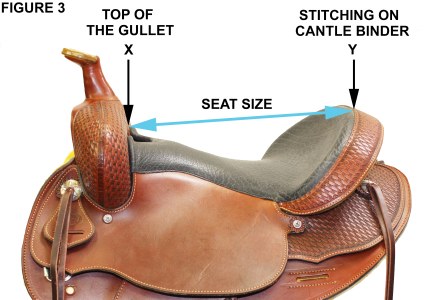
Image Source: saddlemakers.org
Why Accurate Measurements Matter
A poorly fitting saddle is not just uncomfortable; it can cause real harm to your horse. It can lead to sore backs, gait issues, and long-term lameness. A good fit spreads the rider’s weight evenly across the horse’s back muscles. This detailed equine conformation measurement guide helps prevent these problems. We look at both the width and the length needed for the saddle.
The Risks of Bad Saddle Fit
When a saddle is too narrow, it pinches the muscles along the spine. If it is too wide, it rocks or slides, causing friction. Too long, and it can put pressure right over the loins or kidney area. Too short, and it crowds the shoulder, restricting movement. Getting accurate horse measurements for tack eliminates these risks.
Tools for Measuring Horse For Saddle
Before you start, gather your tools for measuring horse for saddle. You do not need fancy equipment. Most measurements rely on simple items.
- Flexible Tape Measure: Must be a cloth or vinyl tape measure. Metal tapes are too stiff to follow the curves of the horse’s back.
- A Straight Edge or Ruler: Useful for placing across the spine in certain checks.
- A Helper (Optional but Recommended): Someone to hold the horse still makes things much easier.
- Pencil and Paper/Notepad: To record your findings immediately.
- A Blanket or Pad: To place on the horse if you need to check for pressure points later, though not needed for the initial measurement.
Step 1: Preparing Your Horse and Setting Up
Always measure a horse that is relaxed and standing squarely on level ground. The horse should be standing as if it is just standing quietly. Do not measure right after a hard workout. The horse’s muscles need to be relaxed.
Grooming Check
Make sure the horse’s back is clean and free of heavy winter coats. Long hair can skew the reading slightly. Brush the area where the saddle will sit.
Understanding Saddle Sizing Components
Saddle sizing relies on three main areas:
- Tree Width (Gullet Size): This relates to the horse’s width across the shoulders and wither base.
- Saddle Length (Panel Contact Area): This relates to the horse back length measurement for saddle. It must fit between the shoulder blade and the last rib.
- Flap Length/Seat Size: While this relates more to the rider, a proper fit ensures the stirrup leathers hang correctly for the rider.
Step 2: Measuring the Wither for Saddle Clearance
The wither measurement is vital for how to measure a horse’s wither for saddle clearance. This sets the front arch of the saddle.
How to Measure the Wither Base
You are not measuring the height of the wither. You are measuring the width where the gullet of the saddle will sit.
- Locate the Highest Point: Find the highest point of the horse’s wither. This is usually the center point over the shoulders.
- Mark the Points: Have a helper gently hold the tape measure base at the center point.
- Measure Across the Base: The most common way to assess wither width is by feeling the structure beneath the skin. You want to know how much “rock” or curve the saddle needs.
- The “Hand Measurement” for Wither: While a tape measure gives width, many fitters use fingers or hands to gauge the height. Place two or three fingers vertically between the top of the wither and the underside of the gullet of a well-fitting saddle. If you are measuring for a new saddle, this is a check against an existing saddle’s fit or a professional’s assessment. For a new measurement, we focus on the structure.
Key Point: We often use templates or professional tools for exact tree sizing, but for a starting point, assessing the angle of the wither slope is key. A very flat wither needs a wide, flat tree. A narrow, steep wither needs a narrower, angled tree.
Step 3: Determining Horse Back Length Measurement for Saddle
This is perhaps the most critical measurement for ensuring the saddle sits correctly and doesn’t injure the horse’s back. This measurement dictates the maximum length of the saddle panels that should contact the back.
Finding the Starting Point (Shoulder Blade)
- Flex the Shoulder: Have the horse move its foreleg forward in a natural stance.
- Locate the Point of Shoulder: Find the point where the shoulder bone attaches near the girth area.
- Mark Point A: Mark the spot just behind where the shoulder blade moves backward when the leg is extended forward. This is the front limit of the saddle area.
Finding the Ending Point (Last Rib)
- Trace the Rib Cage: Feel along the horse’s side to find where the ribs end. This spot is usually where the back starts to slope down towards the loin.
- Mark Point B: Mark the spot just behind the last rib. Do not go onto the loin area. The saddle should never sit on the loins, as this area is unsupported by bone and very sensitive.
Measuring the Length
- Measure the Curve: Use the flexible tape measure. Lay it directly along the horse’s back, following the contour from Point A to Point B. Do not pull it tight; let it curve naturally over the spine, staying above the hollows, if present.
- Record the Measurement: This distance in inches (or centimeters) gives you the maximum viable saddle length. This measurement directly informs the required size in an understanding horse saddle size guide.
Example of Use: If your horse measures 17 inches from behind the shoulder to the last rib, you would look for a saddle with a panel contact area of about 16.5 to 17 inches. A 19-inch saddle would definitely be too long and would cause pain.
Step 4: Assessing Saddle Width and Tree Points
The width relates to the area behind the shoulder where the saddle tree sits. This is where confusion often arises when trying to follow an equine conformation measurement guide. Different makers use different terms (Medium, Wide, Narrow, or specific numbers).
Measuring the Back Contact Area (The “Bridge” Method)
To get an estimate of the required gullet width, we look at how the back slopes away from the spine.
- Locate the Spine: Feel for the center of the backbone.
- Measure Across the Spine Humps: Place two straight edges (like rulers or yardsticks) across the horse’s back, parallel to each other, about three inches apart. The first one should sit about two inches behind the wither base.
- Measure the Distance: Measure the distance between the bottom edges of these two straight edges, straight across the back. This measurement gives a rough idea of the width needed.
Important Note: This is a rough guide. True saddle fitting requires assessing the shape (rocker or curve) of the back, not just the width. A professional fitter often uses specialized templates to capture the exact angles.
Interpreting Width Measurements
Most saddle manufacturers provide a conversion chart based on breed or a simple size scale.
| Manufacturer Term | Approximate Gullet Measurement (Inches) | Typical Horse Type |
|---|---|---|
| Narrow (N) | 6.0 – 6.5 inches | Very narrow, small horses, high withered breeds. |
| Medium (M) | 6.5 – 7.0 inches | Average warmblood or stock horse. |
| Medium/Wide (MW) | 7.0 – 7.5 inches | Fuller built horses, slightly rounded backs. |
| Wide (W) | 7.5 – 8.0 inches | Broad-backed horses, wide, flat-backed breeds. |
| Extra Wide (XW) | 8.0+ inches | Draft crosses or very broad/muscled horses. |
Step 5: Evaluating the Flap and Seat Size (Rider Comfort)
While not directly about the horse’s back, the rider’s needs must match the horse’s capacity. If the rider is too big for the horse, even a perfectly measured saddle will cause problems due to excessive weight distribution.
Seat Size
Seat size is almost always determined by the rider’s trouser size. For example, a 17.5-inch seat fits an average adult rider. If you buy a saddle too small for you, you will sit behind the balance point. If it is too large, you will slouch forward.
Flap Length
The flap length is determined by the rider’s leg length (inseam). The stirrup leather should hang straight down when the rider is sitting correctly. If the flap is too short, the rider’s knee will bump the front of the flap. If it is too long, the rider cannot properly contact the horse with their lower leg.
Deciphering Your Results: Putting Measurements Together
Once you have your three key data points—Wither Clearance Assessment, Back Length, and Width Estimate—you can begin shopping. This process helps in getting accurate horse measurements for tack.
Checklist for Saddle Selection
| Measurement Area | Result | Implication for Saddle Choice |
|---|---|---|
| Back Length | 17 inches (Example) | Look for saddles with 17″ or 17.5″ panels. Avoid anything over 18″. |
| Wither Angle | Steep and narrow | Need a tree with good angle progression (often a narrower gullet). |
| Width Estimate | 7.25 inches | Likely need a Medium or Medium/Wide tree. |
Breed Considerations
Certain breeds consistently require specific measurements. This is part of understanding horse saddle size guide nuances:
- Arabians/Thoroughbreds: Often have pronounced withers and a “dished” or concave back shape, requiring good gullet clearance.
- Quarter Horses/Stock Breeds: Often have broad, flatter backs, requiring wider gullets and shorter panel lengths due to a more compact build.
- Draft Horses: Need very wide trees and significantly longer panel contact areas.
Advanced Check: Using a Wither/Back Template
For the most accurate results, many experts use a specialized tracing tool, often called a saddle tracing kit or template. This goes beyond simple tape measurement.
How to Use a Template
A template uses flexible plastic or metal pieces that can be shaped to the contours of the horse’s back.
- Prepare the Horse: Ensure the horse is standing squarely.
- Place the Template: Center the template over the area where the saddle will sit (from behind the shoulder to the last rib).
- Shape the Template: Gently press the pliable material to match the curve of the horse’s spine and the slope of the ribs on both sides.
- Transfer the Shape: Remove the template carefully and trace its outline onto paper. This tracing shows the exact shape (rocker, dip, or wave) the saddle tree must mirror.
This template provides definitive data for ordering custom-made or adjustable saddles, far superior to simple tape measurements alone.
The Role of Professional Saddle Fitters
While this guide empowers you to take essential horse measurements for saddle purchase, fitting a saddle is both science and art. A professional fitter uses these measurements as a starting point. They also observe the horse moving, check for bridge points, and assess muscle tension under light pressure.
When to Call a Professional
- When buying a new, expensive saddle: Protect your investment.
- When your horse shows unexplained soreness: Even minor pain warrants a fit check.
- If your saddle constantly slips or pinches: Measurements alone might not capture asymmetry in the horse’s body.
Fittings involve more than just static measurements; they involve dynamic observation, which no tape measure can replicate fully.
Frequently Asked Questions About Measuring Horses for Saddles
How often do I need to measure my horse for a saddle?
You should re-measure your horse every 6 to 12 months, or whenever you notice significant changes in their condition. Horses change weight, gain or lose muscle mass, and even their shape can shift due to aging or intensive training changes.
Can I use a metal tape measure for these measurements?
No. You must use a flexible tape measure. A metal tape measure is too rigid; it cannot follow the natural contours and curves of your horse’s back, leading to inaccurate horse back length measurement for saddle readings.
Does the horse need to be wearing a saddle pad when measured?
For the initial primary measurements (length and wither base), the horse should be bare or have only a thin show sheet, not a thick winter blanket or training pad. You are measuring the horse’s structure, not the pad thickness. However, when testing a saddle, you must test it with the pad you plan to use regularly.
What is the difference between measuring for a Western saddle versus an English saddle?
The core principles of measuring the back length (shoulder to last rib) remain the same for both. The main difference is the tree design. Western saddles generally have a longer bearing surface and wider gullets overall compared to English saddles. Therefore, the required back length for a Western saddle is often slightly greater than an English saddle of a similar “size.”
How do I measure if my horse has a very prominent (high) wither?
If the wither is very high, focus heavily on the how to measure a horse’s wither for saddle clearance. You need significant clearance under the gullet. Use the straight edge method to confirm the tree width needed. If the wither is high and narrow, you will need a narrow gullet that arches high enough not to touch the spine when the saddle settles.