
Can I measure a horse for a Western saddle myself? Yes, you can measure your horse for a Western saddle yourself with the right tools and clear steps. Getting the correct fit is vital for your horse’s comfort and health. A poorly fitting saddle causes pain and long-term damage. This guide will show you exactly how to take the needed measurements for a great Western saddle fitting.
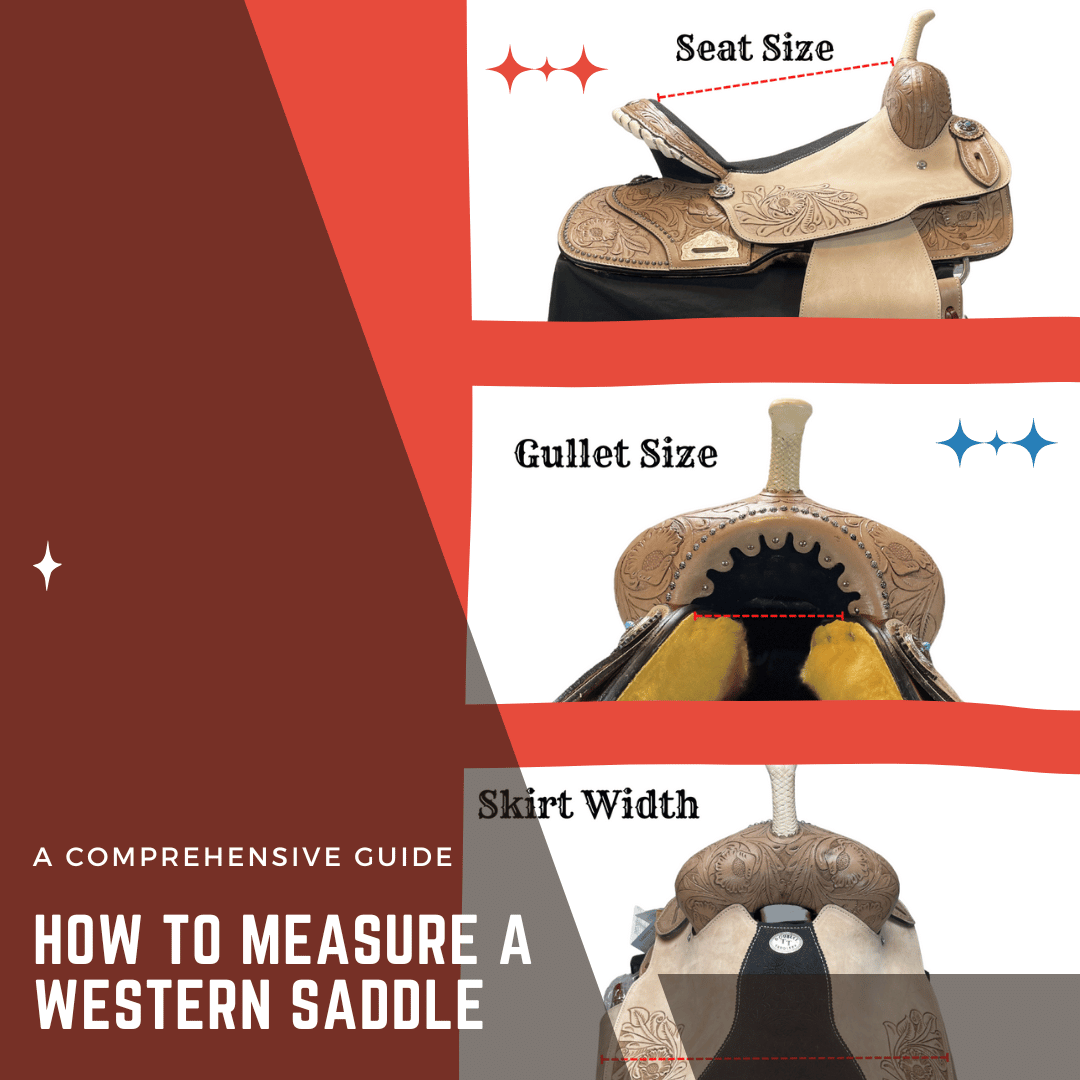
Image Source: texansaddles.com
Why Saddle Fit Matters So Much
A good saddle fit is more than just keeping the rider comfortable. It directly affects your horse’s performance and well-being. When a saddle fits well, it spreads the rider’s weight evenly across the horse’s back muscles. This allows the horse to move freely and use its back correctly.
A bad fit causes serious problems. The saddle might pinch the shoulders. It might press too hard on the spine. This leads to soreness, stiffness, and bucking or resistance when ridden. Poor fit can cause muscle atrophy (wasting away) where the saddle sits. Proper measurement ensures you select the right western saddle size guide components.
Tools You Need Before You Start
Before you begin the measuring process, gather these simple tools. Accuracy depends on having the right equipment ready.
- Flexible Tape Measure: A soft, cloth or fiberglass tape measure works best. Metal tapes are too stiff to follow the horse’s curves.
- A Helper (Recommended): A second person makes holding the tape steady much easier, especially for girth measurements.
- A Soft Pencil and Paper: To record your measurements immediately.
- A Straight Edge (Optional but helpful): For marking the shoulder angle if you decide to draw it out.
- A Well-Mannered Horse: Ensure your horse is standing square on level ground.
Step 1: Assessing the Horse’s Back Profile
The shape of your horse’s back determines the right tree size. The tree is the internal skeleton of the saddle. Getting the tree size right is the most crucial part of the entire process. This ties directly into the western saddle tree size guide.
Measuring Horse Back Length
The length of the saddle must not put pressure on the horse’s loin area, which is weak. The saddle should sit comfortably in front of the last rib.
- Positioning: Have your horse standing squarely on flat ground.
- Finding the Withers: Locate the highest point of the shoulder blades, which is the wither. This is where the saddle should start, though the actual saddle skirt will sit slightly behind this point.
- Measuring the Contact Area: Place one end of the tape measure at the point just behind where the saddle will sit—usually at the shoulder blade’s highest point.
- Ending Point: Run the tape measure along the horse’s spine to the last rib. You are measuring the area where the saddle tree bars will lie flat. The end of the contact area is usually just before the short, muscular loin begins. A typical measurement is between 15 and 18 inches for an average-sized horse.
- Record: Write down this measurement. This helps determine if you need a standard or an extended length saddle.
Determining Horse Shoulder Angle
The shoulder dictates how much room the front of the saddle needs. If the shoulder is restricted, the horse cannot move properly. This measurement helps determine horse shoulder angle accurately.
- Locate: Feel for the point of the shoulder. This is the bony protrusion at the front of the shoulder area.
- The Contact Point: Place the tape measure at the highest point of the wither (the center point between the shoulder blades).
- Tracing the Curve: Gently run the tape measure down and around the curve of the shoulder muscle toward the point of the shoulder. Do not press hard; just let the tape follow the natural contour.
- Marking the End: Stop measuring when the tape reaches the point where the shoulder bone ends and the back muscle begins to slope away. This indicates the point where the tree should clear the shoulder movement.
- Angle Estimation (For Tree Selection): While you can trace this area and use an angle finder, for practical purposes, you are looking to see if your horse has a steep or flat shoulder angle.
- Steep Shoulder: Requires a narrower or more angled tree design.
- Flat Shoulder: Requires a wider, flatter tree design.
- Note: Professional saddle fitters often use specialized tools for precise angle degrees, but this tactile measurement gives you a great starting point for selection.
Measuring Horse Wither Height
While not directly related to the tree width, measuring horse wither height is important for overall saddle placement and rigging setup.
- Positioning: Ensure the horse is standing perfectly still and square.
- Starting Point: Place a long, straight object (like a level or a rigid board) across the highest point of the wither.
- Measuring Down: Hold the tape measure vertically against the horse’s side, starting from the bottom of the straight object down to the ground.
- Record: This measurement helps understand the horse’s overall size and can influence rigging choices, though tree width remains key for the bars.
Step 2: Gauging the Horse’s Body Shape (Bar Fit)
The bars of the tree must match the contour of the horse’s ribcage. This is where most fitting errors occur. We are looking for width, rock, and contact points.
Assessing the Bar Contact Area (The “Bridge Test”)
The goal here is to see how much, or how little, the horse’s back dips or sways between the spine and the ribs.
- Bareback Check: It is best to perform this check on a bare back first, though some people use a thin blanket.
- Spine Clearance: Place your hand flat along the spine. You should feel bone on either side, with a slight dip for the spine itself. The saddle must never sit directly on the spine.
- Locating the Shoulder Pinch: Feel just behind the shoulder blades. If the muscle is very full here, you need a wider or more cupped tree. If the ribs seem very close to the spine, you need a narrower tree.
- The “Rock”: Run your hand down the length of where the saddle will sit. Does the horse’s back feel flat, or does it curve significantly (rock)? A very curvy back needs a more “rocked” tree. A flatter back needs a flatter tree.
Using Templates for Precise Width
For the most accurate width selection, many people create a profile of their horse’s back. This is crucial for the saddle fit guide for horses.
- Materials: Use thick cardboard, heavy paper, or even a foam board.
- Tracing the Contour: Have the horse stand square. Carefully press the material onto the area behind the shoulder where the saddle bars sit. Try to capture the shape from the highest point of the back down to the sides of the ribs.
- Transferring the Template: Take this physical template to the tack shop or use it as a reference when buying a saddle online. Comparing the template to the underside of a saddle tree gives the clearest indication of fit.
Step 3: Girth and Rigging Measurements
While the bars determine the tree fit, the girth measurement helps ensure the rigging (the straps that hold the saddle on) will work correctly for your horse. This involves the horse barrel girth measurement.
How to Take the Horse Barrel Girth Measurement
The girth measurement helps you determine the necessary cinch length for Western rigging.
- Positioning: The horse must be standing squarely.
- Placement: Find the spot just behind the elbow of the front leg. This is the standard location for a Western cinch (or the forward position for an English girth, though we focus on Western here).
- Wrapping: Wrap the tape measure completely around the horse’s barrel at this point. Ensure the tape is snug but not tight—you should be able to slip two fingers comfortably underneath it.
- Recording: Note the measurement in inches.
| Horse Size (Approximate) | Typical Western Cinch Length (Inches) |
|---|---|
| Small Pony | 48 – 54 |
| Horse (Average) | 56 – 62 |
| Large/Draft Horse | 64 – 70+ |
This measurement gives you a starting point for the length of the front cinch or the tie-down strap length if you use a breast collar.
Interpreting Measurements: Matching Horse Size for Saddle
Once you have your measurements—back length, shoulder feel, and girth—you can start applying them to the horse size for saddle selection. Western saddles are primarily sized by seat size (14”, 15”, 16”, 17”, 18”) and tree width (Narrow, Medium, Wide, etc.).
Deciphering Tree Width
The tree width is determined by the width and slope of your horse’s back where the bars sit. Tree widths are not standardized across all manufacturers, which is why using a template is so important.
| Horse Back Description | Common Tree Terminology | Why It Matters |
|---|---|---|
| Very Narrow, very rounded ribs (e.g., Arabian, some Baroque breeds) | Narrow (N) or Full Horse (F/QH Narrow) | A medium tree will bridge the spine and pinch the shoulders. |
| Average/Muscular Horse (Most Quarter Horses, Stock Types) | Medium (M) or Quarter Horse (QH) | This is the most common fit. |
| Wide, flat-backed, broad-shouldered (e.g., many Draft crosses, Morgans) | Wide (W) or Draft (D) | A medium tree will put excessive pressure on the ribs. |
| Heavily Muscled/Very Broad Shoulders | Extra Wide (XW) | Used for heavily built horses or those needing specialized support. |
Key Fit Rule: The gullet (the opening under the pommel) should be wide enough to clear the horse’s spine comfortably, but the bars underneath must match the curve of the ribs for full contact.
Seat Size Selection
Seat size relates to the rider, not the horse, but it affects the saddle’s balance. A seat too large for the rider will cause them to sit too far back, placing undue pressure on the horse’s loin, overriding the excellent tree fit you just achieved.
- Seat Size: Measure the rider from the crotch to the shoulder point while seated. Use this to choose the proper seat size (e.g., a 5’4″ rider might need a 15-inch seat; a 6’0″ rider might need a 17-inch seat).
Advanced Considerations in Western Saddle Fitting
Moving beyond the basic measurements requires looking at how the saddle interacts with the horse’s movement dynamically.
Fathoming Bar Sweep and Rock
Bar sweep refers to how much the bars curve from front to back along the length of the saddle. Rock is the side-to-side curvature of the bars.
- Flat Backs: Horses with long, relatively straight backs need a tree with less rock and less sweep (more bar length contact).
- Highly Arched/Round Backs: Horses with significant dips or pronounced musculature require a tree with more rock to follow the curves without bridging (creating gaps under the middle of the bars).
The Importance of the Cinch Placement
In Western riding, the cinch pulls the saddle forward and up slightly. If the cinch is set too far forward (ahead of the elbow), it can severely restrict the shoulder movement you carefully measured. If it is set too far back, the saddle can slide forward, causing the front end to dig into the shoulders. Proper placement relies on having the correct horse barrel girth measurement and ensuring the saddle rigging balances the pull.
Analyzing Wither Relief
Even with the right width, a saddle can cause problems if the gullet is too shallow. If the gullet does not provide adequate clearance over the highest part of the wither, the front of the saddle will rub the underlying structures, causing pain even if the bars feel wide enough. Good Western saddle fitting demands a minimum of a 3-to-4-finger gap between the pommel and the horse’s wither when the saddle is sitting correctly on the bars.
Putting It All Together: Your Saddle Checklist
Use this checklist when evaluating any potential Western saddle purchase based on your measurements.
| Measurement Area | Target Goal | What to Avoid |
|---|---|---|
| Back Length | Saddle contact area ends before the loin muscle starts. | Saddle skirts hang over the last rib or touch the loin. |
| Tree Width/Bar Contact | Bars make even, full contact along the entire contact area. | Bridging (gaps under the middle) or pinching at the shoulder. |
| Gullet/Wither Clearance | 3–4 fingers of space between the pommel arch and the wither. | Gullet presses directly onto the wither bone or muscle. |
| Shoulder Clearance | The tree clears the point of the shoulder when the horse moves its leg forward. | Restriction or binding felt when moving the horse’s shoulder. |
| Cinch Position | Cinch sits snuggly behind the elbow, balancing the saddle. | Cinch too far forward, restricting the shoulder. |
Finalizing the Fit: The Test Ride
Measurement gets you close, but the true test is watching the horse move. After placing the saddle (using appropriate pads for your horse’s needs), ride the horse briefly.
Watch for the following signs, which indicate a poor fit despite good initial measurements:
- White hairs or dry spots: These show constant rubbing or pressure points from the bars or the edge of the skirt.
- Muscle hardness: Hard, tense muscle under the saddle area after riding suggests pain or restriction.
- Change in gait: If the horse shortens its stride or seems reluctant to engage its hindquarters, the front end might be restricted by the tree.
- Saddle slipping: If the saddle consistently slides sideways or forward/back, the bar contact is likely incorrect, even if the girth is tight.
By carefully taking these key measurements—especially focusing on how to measure horse back length and determine horse shoulder angle—you significantly increase your chances of selecting a saddle that keeps your partner happy and sound for years to come. This detailed approach forms the foundation of an effective saddle fit guide for horses.
Frequently Asked Questions (FAQ)
How often should I remeasure my horse for a saddle?
You should remeasure your horse every 6 to 12 months, or anytime there is a significant change in the horse’s condition. Weight gain or loss, significant muscle building from new training programs, or aging can all alter the back shape, making old measurements unreliable.
Can I use my English saddle measurements for a Western saddle?
No. English and Western saddles have fundamentally different designs, especially concerning the tree shape and bar angle. An English saddle typically has a narrower bearing surface than a Western saddle. You cannot directly convert the required width; you must take specific measurements for the Western tree profile.
What if my horse measures between two tree sizes (e.g., between Medium and Wide)?
If you are between sizes, always lean toward the slightly wider option if the horse is muscular or has high withers, as pinching the shoulder is worse than having slight gaps that can be filled with padding. However, excessive width will cause the saddle to rock and rub the spine. In this “in-between” scenario, you usually need a saddle maker who offers “Semi-Quarter Horse” or specialized intermediate sizing, or you must rely heavily on padding adjustments if the tree itself cannot be modified.
Does the padding change the measurement I need?
The padding (blanket, pad, or shims) is used to correct minor imbalances, not to fix a fundamentally wrong tree size. The tree size should match the horse’s bareback shape as closely as possible. Using a pad to bridge a large gap or correct a significant wither issue means you are masking the real problem, which can lead to long-term soreness.
What does it mean if the saddle bridges?
Saddle bridging happens when the bars of the tree are too flat for a horse with a naturally rounded or “swayed” back. This causes the saddle to only make contact at the front (near the shoulders) and the back (near the loins), leaving a visible gap along the middle of the back, resting only on the spine. This concentrates all the rider’s weight onto two small points, which is highly damaging.