
What is a horse boarding business? A horse boarding business provides space, care, and feeding services for other people’s horses. It is a service where horse owners pay a fee to keep their animals at your farm or stable. This guide will walk you through the steps for starting a horse boarding stable.
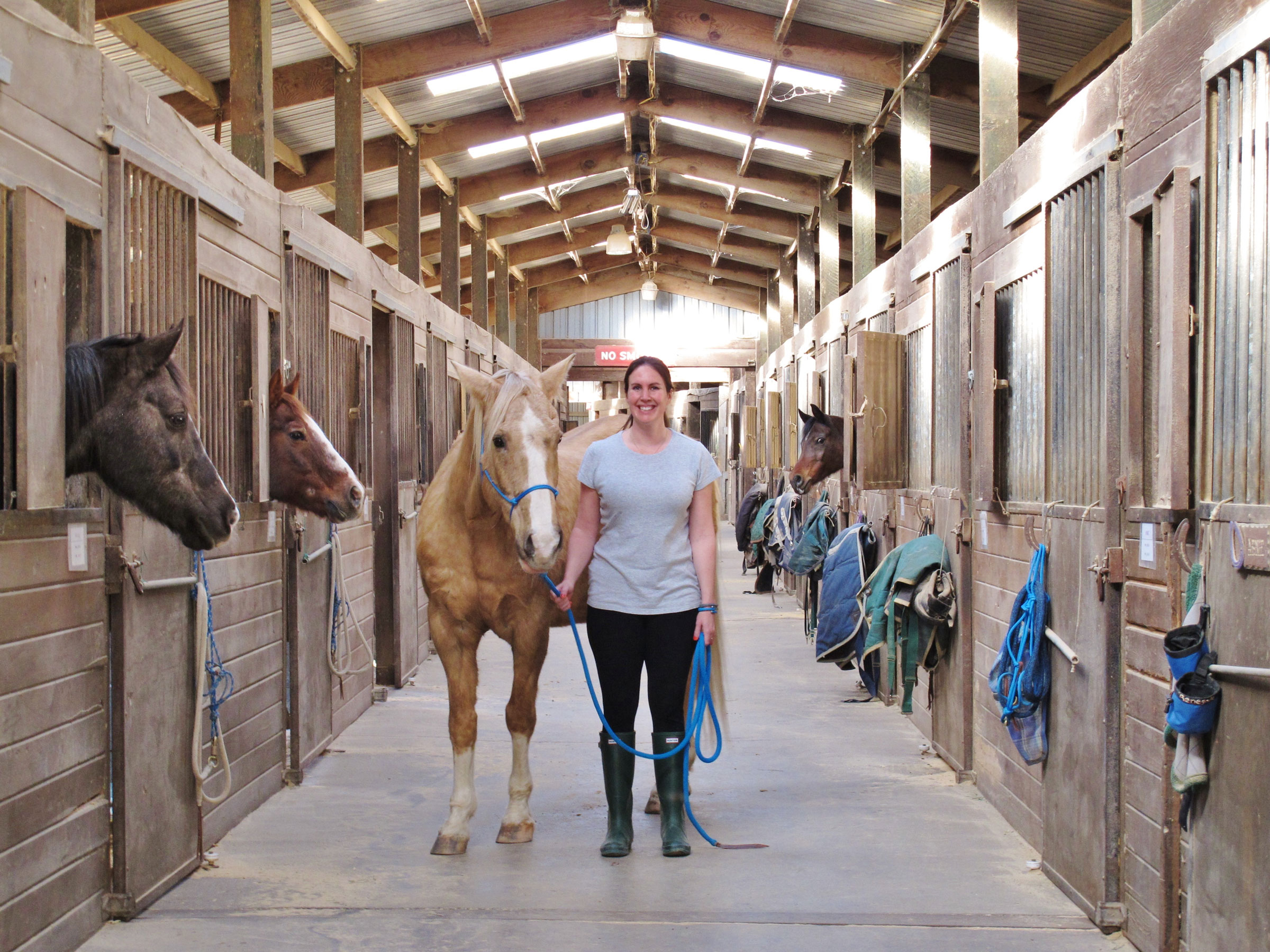
Image Source: stablemanagement.com
Laying the Groundwork for Your Horse Farm Business Model
Starting any business takes careful thought. For a horse boarding operation, this means more than just having a few empty stalls. You need a solid plan to succeed. This section covers the core planning stages.
Developing Your Horse Stable Business Plan
A strong horse stable business plan is your roadmap. It helps you see challenges ahead of time. It also helps you show banks or investors you are serious. Your plan should cover these key parts:
- Business Summary: What is your farm called? What services will you offer?
- Market Analysis: Who are your customers? Who are your rivals?
- Services Offered: Full board, partial board, dry lots? Be specific.
- Management Team: Who runs things? What is their experience?
- Marketing Strategy: How will people find out about you?
- Financial Projections: How much money do you need? When will you make a profit?
Gauging Equine Facility Startup Costs
One of the biggest hurdles is money. Equine facility startup costs vary greatly. They depend on what you already own versus what you must build or buy.
| Cost Category | Potential Expenses | Notes |
|---|---|---|
| Land & Property | Purchase or lease, closing costs | Varies by location and size. |
| Infrastructure | Barns, sheds, fencing, arenas | Fencing is often a huge cost. |
| Equipment | Tractor, muck carts, water tanks | Used equipment can save money. |
| Initial Supplies | Feed, hay, bedding, basic first aid | Must stock up before the first horse arrives. |
| Legal & Permits | Licenses, insurance, business registration | Do not skip these steps. |
Securing Land for Horse Boarding
You must find the right spot. Securing land for horse boarding requires looking at more than just acreage. You need usable space for both horses and clients.
- Acreage Needs: Horses need room to move. Aim for at least 2-3 acres per horse for good pasture rotation.
- Water Access: Reliable, clean water is vital. Wells or municipal hookups are necessary.
- Location Appeal: Is the land near towns where horse owners live? Is it easy to get to?
Zoning for Horse Boarding Facility Compliance
This step is critical and often overlooked. You must check local rules. Zoning for horse boarding facility compliance ensures you can legally run your business where you plan to locate.
- Contact your county or city planning office.
- Ask about agricultural zoning rules.
- Some areas restrict the number of horses or client traffic. Get permits early. Failing to check zoning can stop your business before it starts.
Building and Managing Your Physical Space
Once the planning is done, you must create the physical space where horses will live. Good design keeps horses safe and makes your job easier. This falls under equine facility management.
Designing Safe and Functional Stalls and Shelters
Stalls must be safe. They must also be easy to clean. Think about traffic flow when you design the barn layout.
- Stall Size: Standard stalls should be at least 10×10 feet. Larger horses need 12×12 feet.
- Ventilation: Good airflow prevents respiratory issues in horses. Avoid stuffy barns.
- Flooring: Concrete with rubber mats is common. It is easy to clean and gentle on legs.
- Pasture Safety: Check fences often. Remove toxic plants from grazing areas. Ensure water troughs are clean and secure.
Implementing Efficient Equine Facility Management Practices
Good management saves time and money. Efficient equine facility management involves daily routines that keep things running smoothly.
- Daily Checks: Inspect every horse for health issues daily. Check fences and water systems twice a day.
- Record Keeping: Track feeding amounts, vet visits, and farrier schedules. Use software or detailed ledgers.
- Waste Management: Manure removal must be regular. Compost or arrange for removal services promptly. Flies breed in waste.
Arena and Riding Space Considerations
If you plan to offer riding amenities, they need careful planning too.
- Footing Choice: Sand, shredded rubber, or specialized mixes affect safety and cost. Poor footing causes injuries.
- Drainage: An arena must drain well. Soggy footing is unusable footing.
- Maintenance: Dragging the arena regularly keeps the surface level and soft for riding.
Legal and Financial Structure for Your Horse Farm Business Model
Turning your farm into a proper business requires legal steps. This solidifies your horse farm business model legally and financially.
Choosing Your Business Structure
Will you be a sole proprietor, LLC, or corporation? This choice impacts taxes and liability.
- Sole Proprietorship: Simple to set up, but you are personally responsible for all debts.
- Limited Liability Company (LLC): Separates your personal assets from business debts. This is often preferred for service businesses like boarding.
Understanding Horse Facility Insurance Requirements
Insurance protects you if something goes wrong. It is a non-negotiable cost. Horse facility insurance requirements usually include several layers of protection.
- General Liability: Covers slips and falls by clients on your property.
- Care, Custody, and Control (CCC): This is vital. It covers injury or death to a client’s horse while it is under your supervision.
- Property Insurance: Covers your buildings, fences, and equipment against fire or storm damage.
Drafting a Comprehensive Horse Boarding Contract Template
Never operate without a written agreement. A clear horse boarding contract template protects both you and the client. It should detail every expectation.
Key elements of a good contract include:
- Boarding Fees and Payment Schedule: When is payment due? What are late fees?
- Services Included: Specify feed types, hay amounts, and turnout schedules. Be clear about what is not included (e.g., specialized training).
- Veterinary and Farrier Care: Who calls the vet? Who pays the bill? Does the boarder have an emergency contact on file?
- Liability Waiver: A section where the owner accepts risk for their horse while on your property.
- Lien Rights: State clearly what happens if the owner stops paying board. Most states allow you to hold the horse (a lien) until fees are settled.
Marketing Your Horse Boarding Business Effectively
Even the best facility needs clients. You need a plan for marketing a horse boarding business that reaches local horse owners.
Identifying Your Target Clientele
Not all horse owners want the same thing. Define who you serve best.
- Hobby Riders: They want low-key, safe care, perhaps trails.
- Show Riders: They need dedicated training facilities, specialized feed, and precise schedules.
- Retirees: They prioritize quiet, safe pasture board and minimal stress for older horses.
Tailor your services and pricing to the group you target.
Creating a Strong Online Presence
Today, most searches start online. A professional online presence builds trust.
- Website: Keep it clean and mobile-friendly. Post high-quality photos of your facility and healthy horses. List your services clearly.
- Social Media: Use platforms like Facebook or Instagram. Post updates on facility improvements or happy horses enjoying turnout. Show you care about the animals.
- Google Business Profile: Claim your listing. Encourage happy clients to leave positive reviews.
Local Outreach and Networking
For horse farm business model success, local networking is essential.
- Vets and Farriers: Tell local equine professionals about your opening. They are often asked for boarding recommendations.
- Feed Stores: Post flyers where local horse owners shop for supplies.
- Open House: Host an open house event before you take your first boarder. Let potential clients tour the barns and meet you. This builds immediate confidence.
Day-to-Day Operations and Client Relations
Keeping clients happy is the key to long-term success. Excellent equine facility management includes strong client communication.
Setting Pricing Structures
Pricing must cover your costs and provide profit. Do not guess your rates. Calculate your actual expenses first.
Calculating Board Costs:
- Fixed Costs: Mortgage/rent, insurance, property taxes.
- Variable Costs: Hay, shavings, feed supplements, staff wages.
- Maintenance Buffer: Set aside money monthly for unexpected repairs (e.g., a broken water pump).
Compare your total cost per horse against local market rates. Aim to be competitive, but never undersell quality care.
Managing Client Expectations and Communication
Miscommunication leads to problems. Set clear boundaries early on.
- Visit Policies: When can clients visit? Are there designated times?
- Handling Emergencies: Have a clear protocol for notifying owners of vet emergencies. Who has final say on treatment? (This should be defined in the contract.)
- Feedback Loop: Regularly ask clients how things are going. Show you value their input.
Maintaining High Standards of Horse Health and Safety
Safety must be your number one priority in equine facility management.
- Quarantine Protocol: Have a separate area ready for new horses or horses returning from shows or clinics. This prevents the spread of illness.
- Pest Control: Maintain a strict schedule for deworming and fly control. A healthy herd is a good selling point.
- Emergency Planning: Have a fire evacuation plan for the barn. Keep emergency contact lists posted clearly in the office and barn. Know where the nearest large animal vet is located, and if they offer 24-hour service.
Scaling and Growth of Your Horse Boarding Operation
Once stable, you can look at growing your farm.
Expanding Services Beyond Basic Boarding
To increase revenue, consider adding services that fit your facility.
- Layups and Rehabilitation: If you have space and expertise, offer short-term care for injured horses needing rest.
- Holding Services: Offer short-term vacation board for owners traveling.
- Farrier/Vet Coordination: Charge a small fee to handle scheduling and payment for routine farrier or vet visits for all your boarders. This adds convenience for the owner.
Investing in Facility Upgrades
Reinvest profits wisely to maintain quality and attract higher-paying clients.
- Footing Improvement: Upgrading arena footing is often the best use of capital.
- Automated Systems: Consider automated waterers or feeders to reduce labor time, which is crucial for effective equine facility management.
- Aesthetics: Well-maintained landscaping and clean buildings signal quality care to prospective boarders.
Starting a horse boarding business is rewarding. It blends love for horses with practical business skills. By focusing on solid planning, legal protection, and excellent care, your farm can thrive.
Frequently Asked Questions (FAQ)
How much money do I need to start a small horse boarding business?
For a very small operation, perhaps boarding 5-10 horses on land you already own, you might need $10,000 to $30,000 for initial fencing, minor repairs, and insurance/legal setup. If you need to buy land and build barns, equine facility startup costs can easily exceed $250,000 or much more. Always create a detailed budget based on your specific needs.
Can I run a boarding business from home if I live rurally?
Yes, many successful boarding businesses start this way. However, you must still adhere to zoning for horse boarding facility rules in your county. Even if you live on-site, you are running a commercial enterprise. Get the necessary permits first.
What is the most important document for a horse boarding business?
The horse boarding contract template is arguably the most crucial document. It dictates the terms of service, payment, liability, and emergency procedures. Having a lawyer review your initial contract template is highly recommended.
How do I manage manure effectively?
Effective manure management is central to equine facility management. You need a designated, covered area (a manure bunker or pile location) away from water sources. Regular removal (daily or every few days) is necessary to control flies and maintain a clean barn environment. Look into local composting regulations.
What type of insurance is most necessary for boarding horses?
The most vital coverage is Care, Custody, and Control (CCC) insurance. This covers you if a boarder’s horse is injured or dies while under your direct supervision, which is a major liability risk in any horse stable business plan. General liability is also essential.