
Does your furry friend sneeze, itch, or have a tummy ache after meals? You’re not alone. Many cat parents face the challenge of figuring out what to feed their sensitive kitties. Finding the right food can feel like a puzzle with so many different ingredients and brands out there. It’s tough when you want to help your cat feel better, but you’re not sure where to start.
This confusion can lead to wasted money on foods that don’t work and, more importantly, continued discomfort for your beloved pet. You want to see them happy and healthy, free from itchy skin and upset stomachs. But how do you sift through all the information and find a food that truly makes a difference?
In this post, we’ll break down the common causes of cat food allergies and explore what to look for in a specialized diet. We’ll guide you through understanding ingredient lists and highlight key features of the best cat foods for allergies. By the end, you’ll have a clearer picture and feel more confident in choosing a food that soothes your cat’s sensitivities and brings back their purrfect health.
Top Cat Food For Allergies Recommendations

- Cat kibble that reduces the major allergen in cat hair and dander by an average of 47 percent starting in 21 days
- Cat allergen-reducing food that also delivers 100 percent nutrition and 0 percent fillers
- Real Chicken is the number 1 ingredient in this adult cat food– your cat will love the taste
- Chicken cat food with Carbohydrate sources to support healthy energy and highly digestible ingredients support nutrient absorption
- Premium cat food with omega-6 fatty acids to support skin and coat health

- Cat kibble that reduces the major allergen in cat hair and dander by an average of 47 percent starting in 21 days
- Cat allergen-reducing food that also delivers 100 percent nutrition and 0 percent fillers
- Real Chicken is the number 1 ingredient in this adult cat food– your cat will love the taste
- Chicken cat food with Carbohydrate sources to support healthy energy and highly digestible ingredients support nutrient absorption
- Premium cat food with omega-6 fatty acids to support skin and coat health

- The first cat food with the power to reduce cat allergens by simply and safely neutralizing Fel D 1, a common allergen in cat saliva, with a key protein from eggs
- Discovered through over a decade of research, Purina Pro Plan LIVECLEAR cat food significantly reduces the major allergen in cat hair and dander by an average of 47 percent in the third week of feeding
- Chicken is the first ingredient in this high dry protein cat food with rice to support muscle strength
- Safe and nutritious adult digestive dry cat food for skin and coat care is fortified with guaranteed live probiotics for digestive and immune health
- Try this allergen-reducing adult cat food risk free, and know LIVECLEAR dry cat foods are targeted formulas from the Pro Plan SPECIALIZED line

- Real turkey is the first ingredient in our high protein cat food to help support strong muscles, including a healthy heart in adult cats
- Made for cats with sensitive systems, this Purina ONE sensitive stomach cat food features an easily digestible formula with added prebiotic fiber
- Crunchy cat food with calcium supports strong teeth and healthy gums, and four antioxidant sources help support a healthy immune system
- With deliciously crunchy bites, this turkey cat food delivers a great taste and is made with no artificial flavors or preservatives
- Purina sensitive skin and stomach cat food is crafted in Purina-owned, U.S. facilities
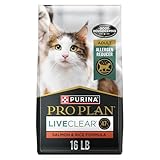
- POWER TO REDUCE THE MAJOR ALLERGEN: Backed by over a decade of research, this revolutionary cat kibble formula simply and safely neutralizes Fel D 1, a common allergen in cat saliva.
- KEY INGREDIENT: Hard cat food features an innovative formula with a key protein sourced from eggs to help limit cat major allergen.
- PERFECTED OVER 10 YEARS: Each serving of Purina Pro Plan LiveClear Cat Food features over a decade of dedicated research.
- FAST RESULTS: Kibble for cats shown to reduce major cat allergen in cat hair and dander by an average of 47 percent by the third week when fed daily.
- HIGH-PROTEIN: Kibble for cats delivers outstanding nutrition with high-quality protein with real salmon as the first ingredient.

- POWER TO REDUCE THE MAJOR ALLERGEN: Backed by over a decade of research, this revolutionary cat kibble formula simply and safely neutralizes Fel D 1, a common allergen in cat saliva.
- KEY INGREDIENT: Hard cat food features an innovative formula with a key protein sourced from eggs to help limit cat major allergen.
- PERFECTED OVER 10 YEARS: Each serving of Purina Pro Plan LiveClear Cat Food features over a decade of dedicated research.
- FAST RESULTS: Kibble for cats shown to reduce major cat allergen in cat hair and dander by an average of 47 percent by the third week when fed daily.
- HIGH-PROTEIN: Pro Plan for cats delivers outstanding nutrition with high-quality protein with real chicken as the first ingredient.

- LIVECLEAR is the first cat food with the power to reduce cat allergens simply and safely by neutralizing Fel D 1, a common allergen in cat saliva, using a key protein from eggs
- Discovered through over a decade of research, Pro Plan LIVECLEAR cat food significantly reduces the major allergen in cat hair and dander by an average of 47 percent starting in the third week of feeding
- Salmon is the first ingredient in this high protein dry cat food for skin and coat care
- Safe and nutritious adult digestive dry cat food is fortified with guaranteed live probiotics for digestive and immune health
- Try LIVECLEAR digestive cat food risk free, and know it's part of the Pro Plan SPECIALIZED product line of targeted formulas

- Unparalleled Support: Our delicious chicken-flavored crunchy chews help soothe your cat’s skin-related issues like seasonal allergy itch relief for cats; immune function is correlated with gut health, we included ingredients to support from within
- Better Ingredients & Results: Each cat allergy chew is packed with three key ingredients - a probiotic to target gut health and support your cat’s response to allergens, tart cherry for antioxidants, and fish oil from menhaden, a fish with EPA & DHA
- Veterinarian Recommended: Our allergy cat health supplements are a vet recommended, daily formula to support cats with seasonal allergies
- Cat Vitamins Lovingly Made in the USA with Domestic & Global Ingredients: Our crunchy chews are made with no fillers, gums, or sweeteners - just pure, high-quality ingredients your cat will love; every chew is made with a crunchy shell & soft center
- Buy With Confidence: You want the best for your best friend; we do, too; if you are not satisfied with the performance of this product, contact us; we are determined to make it right
The Ultimate Buying Guide: A Purrfect Choice for Sensitive Kitties
Finding the right cat food for your feline friend with allergies can feel like a puzzle. But don’t worry! This guide will help you navigate the options and choose food that keeps your cat happy and healthy.
What to Look For: Key Features of Allergy-Friendly Cat Food
When you’re shopping for cat food for allergies, keep an eye out for these important features:
- Limited Ingredient Diets (LID): These foods have a short, simple ingredient list. This makes it easier to pinpoint what might be causing your cat’s reaction. Fewer ingredients mean fewer chances for a trigger.
- Novel Proteins: Look for proteins your cat hasn’t eaten before. Common allergens include chicken, beef, and dairy. Novel proteins like duck, venison, rabbit, or fish are often good choices.
- Hydrolyzed Proteins: In these foods, proteins are broken down into tiny pieces. This makes them less likely to be recognized by your cat’s immune system, reducing allergic reactions.
- Grain-Free Options: Many cats are sensitive to grains like wheat, corn, and soy. Grain-free formulas avoid these common culprits.
- Hypoallergenic Formulas: Some brands specifically label their food as “hypoallergenic.” This means they are designed to minimize the risk of allergic reactions.
Important Materials: What’s Inside Matters
The ingredients in your cat’s food are crucial. Here’s what to focus on:
- Single Source Protein: A good LID food will feature one primary protein source. This helps you identify if that specific protein is the problem.
- Easily Digestible Carbohydrates: If your food contains carbohydrates, choose easily digestible ones like sweet potato or peas. Avoid fillers that offer little nutritional value.
- Essential Fatty Acids: Omega-3 and Omega-6 fatty acids are vital. They support a healthy skin and coat, which is often a problem area for allergic cats. Look for sources like fish oil or flaxseed.
- Vitamins and Minerals: Ensure the food is fortified with all the necessary vitamins and minerals for complete and balanced nutrition.
Factors That Improve or Reduce Quality
Not all allergy foods are created equal. Here’s how to tell the difference:
- High-Quality Protein Source: The first ingredient should be a named meat protein (e.g., “duck,” not “meat by-products”). This shows a commitment to good nutrition.
- Absence of Artificial Additives: Avoid artificial colors, flavors, and preservatives. These can sometimes trigger sensitivities.
- Transparency in Sourcing: Brands that are open about where their ingredients come from often use higher quality materials.
- Veterinarian Recommended: Foods recommended by veterinarians have often undergone rigorous testing and are backed by scientific research.
- Too Many Ingredients: A long, complicated ingredient list can be a red flag for allergy-prone cats.
User Experience and Use Cases: Putting It Into Practice
Choosing the right food is just the first step. Here’s what to expect and how to use it effectively:
- Gradual Transition: When you switch to a new food, do it slowly. Mix a little of the new food with the old food for about a week. This prevents digestive upset.
- Observe Your Cat: Watch your cat closely after starting a new food. Look for improvements in skin, coat, and digestion. Any new symptoms mean you should consult your vet.
- Trial and Error: Finding the perfect food might take some time. Don’t get discouraged if the first few options don’t work.
- Veterinary Consultation: Always talk to your veterinarian before making significant changes to your cat’s diet, especially if they have known allergies. They can help diagnose the allergy and recommend specific foods.
- Long-Term Solution: Once you find a food that works, it can be a long-term solution for managing your cat’s allergies and keeping them comfortable.
Frequently Asked Questions (FAQ) About Cat Food for Allergies
Q: What are the most common cat food allergens?
A: The most common cat food allergens are proteins like chicken, beef, dairy, and eggs. Some cats can also be sensitive to grains like wheat, corn, and soy.
Q: How do I know if my cat has food allergies?
A: Signs of food allergies can include itching, skin redness, hair loss, ear infections, vomiting, and diarrhea. A vet visit is the best way to confirm.
Q: What is a limited ingredient diet (LID) for cats?
A: A limited ingredient diet (LID) has a short, simple list of ingredients. It usually includes one protein source and one or two carbohydrate sources.
Q: What does “novel protein” mean in cat food?
A: A novel protein is a protein source that your cat has not eaten before. Examples include duck, venison, rabbit, or certain types of fish.
Q: Is grain-free food always better for cats with allergies?
A: Not necessarily. While many cats are sensitive to grains, the primary allergens are often proteins. However, grain-free options can be beneficial for cats with grain sensitivities.
Q: Can I feed my cat both wet and dry allergy food?
A: Yes, you can often mix wet and dry allergy foods. However, make sure both foods use similar novel proteins or are from the same limited ingredient diet line to avoid introducing new allergens.
Q: How long does it take to see results after switching cat food?
A: It can take several weeks, sometimes up to 8-12 weeks, to see a significant improvement in your cat’s symptoms after switching to a new allergy-friendly food.
Q: What should I do if my cat doesn’t like the taste of the new allergy food?
A: Try warming the food slightly, adding a small amount of plain water, or mixing in a vet-approved topper. Some cats are just picky eaters!
Q: Can I give my cat treats if they have allergies?
A: Yes, but choose treats made with the same novel protein or limited ingredients as their main food. Avoid common allergens in treats.
Q: Where can I find the best cat food for allergies?
A: You can find allergy-friendly cat food at pet specialty stores, online retailers, and often at your veterinarian’s office. Always consult your vet for personalized recommendations.