
Does your furry friend sometimes look at their food bowl with a less-than-enthusiastic wag or a bored blink? You’re not alone! Choosing the perfect dog and cat food can feel like navigating a maze. So many bags, so many brands, and so many claims – it’s enough to make any pet parent scratch their head.
The truth is, what you feed your dog or cat is one of the biggest decisions you make for their health and happiness. But with all the different ingredients, dietary needs, and marketing buzzwords, it’s easy to feel overwhelmed and unsure if you’re truly giving them the best. Are you worried about picking a food that doesn’t have enough of what they need, or maybe too much of something they don’t? These are real concerns that can affect your pet’s energy, coat, and overall well-being.
That’s why we’re diving deep into the world of dog and cat food! By the end of this post, you’ll have a clearer understanding of what truly matters in pet food. We’ll break down the confusing labels, explore different types of food, and help you discover how to pick the ideal meal plan that will have your pets purring and tail-wagging with delight. Let’s get started on finding that perfect bowl!
Top Dog And Cat Food Recommendations

- High Protein, Limited Ingredients, And Wysong Micronutrients… The Fundamentals
- Genetically Appropriate For Dogs And Cats. High Meat And Fat Content -- 40% Protein, 15% Fat. Low Glycemic Index
- Chicken And Brown Rice Based (With Organic Chicken As A Primary Ingredient), And A Host Of Beneficial Micronutrients
- Extremely Palatable. Contains Prebiotics, Probiotics, Enzymes, Nutraceuticals, Vitamins And Minerals. Formulated For Dogs And Cats Of All Sizes, Life Stages, And Breeds
- Wysong Has Been A Leader In Pet Nutrition Since 1979

- Contains one (1) 6.3-pound bag of Meow Mix Original Choice Dry Cat Food
- One hundred percent complete and balanced nutrition for adult cats
- High quality protein helps support strong, healthy muscles
- Produced in the U.S.A. from globally sourced ingredients
- Produced in the U.S.A. from globally sourced ingredients

- The first extruded dry diet kibble pet food that is Starch Free Epigen does what "Grain Free" dog food and cat foods only pretend to do
- More closely resembles the food your pet is designed to eat Has the natural flavor and taste that pets truly desire
- Is replete with all the critical food elements Wysong was first to put into pet foods probiotics prebiotics enzymes phytonutrients nutraceuticals natural form antioxidants vitamins and minerals
- Contains unprecedented and unequalled meat content including organic Rich in omega 3's and other essential fatty acids
- Very nutrient dense Introduce slowly according to the feeding guidelines Can be used as a protein booster and meal supplement

- SMALL BREED DOG FOOD: One (1) 3.5 LB Bag of Kibbles 'n Bits Mini Bits Small Breed Dry Dog Food offers a savory Bacon & Steak flavor, delivering maximum taste in every bite.
- BACON & STEAK FLAVOR: Crafted with crunchy and tender bits, this steak & bacon flavored dog food satisfies even picky small breed pups, offering delicious nutrition in every bowl of pet food.
- ADULT DOG FOOD FOR SMALL BREEDS: Crafted for tiny mouths and big personalities, this dog food is ideal for adult small breeds who crave bold flavors and easy-to-chew, bite-sized pieces.
- CONTAINS ONE (1) 3.5 LB BAG OF DOG FOOD: Simply pour into your dogs bowl and serve daily adjust portions for your small breed's size and activity level
- TRUSTED TASTE & NUTRITION: Kibbles 'n Bits is trusted for taste and nutrition, making every meal a joyful, flavorful experience. Life without dogs would be like Kibbles without Bits

- The first extruded dry diet/kibble pet food that is Starch Free (Epigen does what "Grain Free" dog food and cat foods only pretend to do)
- More closely resembles the food your pet is designed to eat. Has the natural flavor and taste that pets truly desire
- Is replete with all the critical food elements Wysong was first to put into pet foods – probiotics, prebiotics, enzymes, phytonutrients, nutraceuticals, natural form antioxidants, vitamins and minerals
- Contains unprecedented and unequalled meat content, including organic. Rich in omega-3's and other essential fatty acids
- Very nutrient dense. Introduce slowly according to the feeding guidelines. Can be used as a protein booster and meal supplement

- CONTAINS one (1) 3-pound bag of Meow Mix Gravy Bursts Dry Cat Food
- CRUNCHY KIBBLE with pockets full of delicious, real gravy
- HIGH QUALITY PROTEIN that helps support strong, healthy muscles
- COMPLETE and BALANCED one hundred percent provided nutrition for adult cats
- Produced in the U.S.A. with the world’s finest ingredients

- Friskies Prime Filets wet cat food made with real meat, poultry or seafood. Savory sauce or gravy for cats adds flavor and moisture
- Shredded soft cat food chunks offer a tempting texture. Provides 100 percent complete and balanced nutrition for adult cats
- Multi-can Friskies canned cat food variety pack makes it easy to stock your pantry. Contains essential vitamins and minerals in every serving
- Enticing, moist cat food aroma tempts her to her dish. Checked for quality and safety to provide added peace of mind
- Canned cat food variety pack formulated to meet or exceed industry standards for cat food
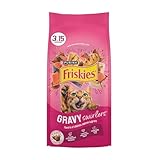
- Chicken and salmon cat food flavors cats love with savory gravy baked in for added flavor
- Friskies dry cat food with 100 percent complete and balanced nutrition formulated for all life stages, including essential vitamins and minerals for the everyday nutrition cats need
- Cat kibble with swirls of gravy baked right into every crunchy bite to entice her to her dish
- Antioxidants deliver immune support for cats, while essential fatty acids help support healthy skin and coat
- Friskies cat food backed by a company committed to sustainable practices and checked for quality and safety to provide added peace of mind
Choosing the Best Grub for Your Furry Friends: A Guide to Dog and Cat Food
Picking the right food for your dog or cat can feel like a big job. You want them to be happy and healthy! This guide will help you understand what makes good food and how to choose the best meals for your pet.
1. Key Features to Look For
When you’re in the pet food aisle, keep these important things in mind:
Protein Power
- Meat First: The first ingredient should be a real meat source like chicken, beef, lamb, or fish. This gives your pet the energy they need.
- High Protein Content: Look for foods with at least 25-30% protein for dogs and 30-40% for cats.
Healthy Fats
- Omega Fatty Acids: These are good for your pet’s skin and coat. You’ll often see them listed as fish oil or flaxseed.
- Balanced Fat Levels: Too much or too little fat isn’t good. The right amount helps with energy and nutrient absorption.
Vitamins and Minerals
- Complete Nutrition: Foods should have a good mix of vitamins (like A, D, E, B vitamins) and minerals (like calcium, phosphorus, zinc). These help their bodies work right.
- No Artificial Stuff: Avoid foods with artificial colors, flavors, or preservatives. Natural options are always better.
Other Good Stuff
- Fiber: This helps with digestion. Look for ingredients like sweet potatoes, peas, or brown rice.
- Probiotics: These are good for gut health and can help your pet’s tummy feel better.
2. Important Ingredients to Know
Understanding the ingredient list helps you make smart choices.
The Good Stuff:
- Whole Meats: Chicken, turkey, beef, lamb, salmon, etc.
- Meat Meals: Concentrated meat that’s dried. For example, “chicken meal” is good.
- Whole Grains: Brown rice, oats, barley. These provide energy and fiber.
- Vegetables and Fruits: Peas, carrots, sweet potatoes, blueberries. These add vitamins and antioxidants.
The Not-So-Good Stuff (Use Sparingly or Avoid):
- Corn, Wheat, Soy (as primary fillers): While some pets do fine with these, they can be common allergens or less digestible for others. If they are the first few ingredients and meat isn’t, it might not be the best quality.
- Artificial Additives: Red dye, BHA, BHT. These can cause issues for some pets.
- Generic “Meat By-products”: These can be lower quality parts of an animal. Specific by-products like “chicken by-product meal” can be okay if they are from a quality source.
3. Factors That Improve or Reduce Quality
What makes a pet food great or not so great?
Quality Boosters:
- Named Meat Sources: “Chicken” is better than “poultry.” “Salmon” is better than “fish.”
- Natural Preservatives: Vitamin E (tocopherols) and Vitamin C are good choices.
- AAFCO Statement: Look for a statement on the bag that says the food meets the nutritional levels established by the Association of American Feed Control Officials (AAFCO). This means it’s a complete and balanced meal.
Quality Reducers:
- Lots of Fillers: Foods with corn, wheat, or soy listed as the first few ingredients often mean less meat.
- Artificial Colors and Flavors: These don’t add any nutritional value.
- Vague Ingredient Names: “Meat by-products” without specifying the animal can be a red flag.
4. User Experience and Use Cases
Think about your pet and how they eat.
For Picky Eaters:
- Wet Food: Often more appealing due to its smell and texture.
- Limited Ingredient Diets (LIDs): If your pet is picky or has a sensitive stomach, LIDs can help identify what they like and tolerate.
For Active Pets:
- Higher Protein and Fat: Active dogs and cats need more energy. Look for foods with higher percentages of protein and fat.
- Performance Formulas: Some brands offer specific “performance” or “active” formulas.
For Sensitive Stomachs:
- Easily Digestible Ingredients: Foods with lamb, duck, or fish can be gentler.
- Probiotics and Prebiotics: These can support a healthy digestive system.
- Consult Your Vet: If your pet has ongoing tummy issues, your vet can recommend the best food.
Frequently Asked Questions About Dog and Cat Food
Q: What are the main Key Features I should look for?
A: The main Key Features are having real meat as the first ingredient, a good amount of protein (25-30% for dogs, 30-40% for cats), healthy fats like Omega fatty acids, and a complete balance of vitamins and minerals without artificial additives.
Q: Are grain-free diets always better?
A: Not necessarily. Many dogs and cats do perfectly well with grains like brown rice or oats. Grain-free diets can be helpful for pets with specific grain allergies, but they aren’t a one-size-fits-all solution. Always check with your vet.
Q: How do I know if my pet likes the food?
A: Your pet will usually show you! If they eat it eagerly and have good energy, it’s a good sign. If they turn their nose up at it or have digestive upset, they might not like it or it might not agree with them.
Q: What’s the difference between wet and dry food?
A: Dry food (kibble) is convenient and can help clean teeth. Wet food has more moisture, which is good for hydration, and is often more palatable. Some owners use a mix of both.
Q: How often should I feed my pet?
A: Puppies and kittens usually need to eat more often than adult pets. Adult dogs and cats are typically fed once or twice a day. Follow the feeding guidelines on the food bag and adjust based on your pet’s activity level and weight.
Q: Can I feed my dog cat food, or vice versa?
A: No, it’s not recommended. Cats are obligate carnivores and need higher levels of certain nutrients, like taurine, that are found in cat food. Dog food doesn’t have these specific requirements.
Q: What does “by-products” mean in pet food?
A: By-products are parts of an animal that aren’t typically eaten by humans, like organs, bones, and blood. When they are specifically named (e.g., “chicken by-product meal”), they can still be nutritious. Generic “meat by-products” are less clear.
Q: Should I choose food based on my pet’s age (puppy/kitten, adult, senior)?
A: Yes, it’s a good idea. Puppies and kittens need more calories and specific nutrients for growth. Seniors may benefit from formulas with fewer calories or added joint support.
Q: How do I transition my pet to a new food?
A: You should do it slowly over 7-10 days. Start by mixing a little new food with their old food. Gradually increase the amount of new food and decrease the old food each day to avoid upsetting their stomach.
Q: What if my pet has allergies?
A: If you suspect allergies, look for limited ingredient diets (LIDs) with novel protein sources (like duck or venison) or a single carbohydrate source. It’s best to talk to your veterinarian for a proper diagnosis and food recommendation.