
Does your cat constantly scratch, lick their paws, or suffer from mysterious tummy troubles? You are not alone. Many pet parents watch their cats struggle with itchy skin and digestive discomfort every single day. While it is heartbreaking to see your furry friend in pain, the root cause is often hiding right inside their food bowl. Identifying a food allergy is a common challenge, and the endless rows of confusing labels at the pet store can make finding a solution feel nearly impossible.
Choosing the right diet for a sensitive cat requires more than just picking a bag off the shelf. Many commercial foods contain hidden fillers or common allergens that trigger painful reactions. You might feel overwhelmed by the sheer number of “hypoallergenic” options, but understanding your cat’s specific needs will change everything. You do not have to rely on trial and error to get your pet back to feeling their best.
In this guide, we will break down exactly how to spot the signs of a food allergy and what ingredients you should avoid. We will also share simple tips for reading labels and selecting the best nutrition for your cat’s unique health. By the end of this post, you will feel confident navigating the pet food aisle and ready to help your cat live a happier, itch-free life. Let’s take a closer look at how to find the perfect meal for your sensitive companion.
Top Food For Cat Allergies Recommendations

- Cat kibble that reduces the major allergen in cat hair and dander by an average of 47 percent starting in 21 days
- Cat allergen-reducing food that also delivers 100 percent nutrition and 0 percent fillers
- Real Chicken is the number 1 ingredient in this adult cat food– your cat will love the taste
- Chicken cat food with Carbohydrate sources to support healthy energy and highly digestible ingredients support nutrient absorption
- Premium cat food with omega-6 fatty acids to support skin and coat health

- Cat kibble that reduces the major allergen in cat hair and dander by an average of 47 percent starting in 21 days
- Cat allergen-reducing food that also delivers 100 percent nutrition and 0 percent fillers
- Real Chicken is the number 1 ingredient in this adult cat food– your cat will love the taste
- Chicken cat food with Carbohydrate sources to support healthy energy and highly digestible ingredients support nutrient absorption
- Premium cat food with omega-6 fatty acids to support skin and coat health

- LIVECLEAR is the first cat food with the power to reduce cat allergens simply and safely by neutralizing Fel D 1, a common allergen in cat saliva, using a key protein from eggs
- Discovered through over a decade of research, Pro Plan LIVECLEAR cat food significantly reduces the major allergen in cat hair and dander by an average of 47 percent starting in the third week of feeding
- Salmon is the first ingredient in this high protein dry cat food for skin and coat care
- Safe and nutritious adult digestive dry cat food is fortified with guaranteed live probiotics for digestive and immune health
- Try LIVECLEAR digestive cat food risk free, and know it's part of the Pro Plan SPECIALIZED product line of targeted formulas

- The first cat food with the power to reduce cat allergens by simply and safely neutralizing Fel D 1, a common allergen in cat saliva, with a key protein from eggs
- Discovered through over a decade of research, Purina Pro Plan LIVECLEAR cat food significantly reduces the major allergen in cat hair and dander by an average of 47 percent in the third week of feeding
- Chicken is the first ingredient in this high dry protein cat food with rice to support muscle strength
- Safe and nutritious adult digestive dry cat food for skin and coat care is fortified with guaranteed live probiotics for digestive and immune health
- Try this allergen-reducing adult cat food risk free, and know LIVECLEAR dry cat foods are targeted formulas from the Pro Plan SPECIALIZED line

- POWER TO REDUCE THE MAJOR ALLERGEN: Backed by over a decade of research, this revolutionary cat kibble formula simply and safely neutralizes Fel D 1, a common allergen in cat saliva.
- KEY INGREDIENT: Hard cat food features an innovative formula with a key protein sourced from eggs to help limit cat major allergen.
- PERFECTED OVER 10 YEARS: Each serving of Purina Pro Plan LiveClear Cat Food features over a decade of dedicated research.
- FAST RESULTS: Kibble for cats shown to reduce major cat allergen in cat hair and dander by an average of 47 percent by the third week when fed daily.
- HIGH-PROTEIN: Pro Plan for cats delivers outstanding nutrition with high-quality protein with real chicken as the first ingredient.
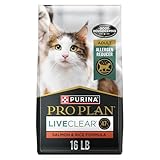
- POWER TO REDUCE THE MAJOR ALLERGEN: Backed by over a decade of research, this revolutionary cat kibble formula simply and safely neutralizes Fel D 1, a common allergen in cat saliva.
- KEY INGREDIENT: Hard cat food features an innovative formula with a key protein sourced from eggs to help limit cat major allergen.
- PERFECTED OVER 10 YEARS: Each serving of Purina Pro Plan LiveClear Cat Food features over a decade of dedicated research.
- FAST RESULTS: Kibble for cats shown to reduce major cat allergen in cat hair and dander by an average of 47 percent by the third week when fed daily.
- HIGH-PROTEIN: Kibble for cats delivers outstanding nutrition with high-quality protein with real salmon as the first ingredient.

- Power to Reduce the Major Allergen: Backed by over a decade of research, this revolutionary turkey cat food formula simply and safely neutralizes Fel D 1, a common allergen in cat saliva
- Key Ingredient: Hard cat food features an innovative formula with a key protein sourced from eggs to help reduce major cat allergen
- Fast Results: Turkey cat food shown to reduce major cat allergen in cat hair and dander by an average of 47 percent starting the third week of daily feeding
- Cat Skin Care and Stomach Support: Easily digestible cat food features prebiotics for cats to support sensitive stomachs and omega 6 fatty acids to support healthy skin and coat
- Perfected Over 10 years: Each serving of Purina Pro Plan LiveClear Cat Food backed by over a decade of dedicated research

- Real turkey is the first ingredient in our high protein cat food to help support strong muscles, including a healthy heart in adult cats
- Made for cats with sensitive systems, this Purina ONE sensitive stomach cat food features an easily digestible formula with added prebiotic fiber
- Crunchy cat food with calcium supports strong teeth and healthy gums, and four antioxidant sources help support a healthy immune system
- With deliciously crunchy bites, this turkey cat food delivers a great taste and is made with no artificial flavors or preservatives
- Purina sensitive skin and stomach cat food is crafted in Purina-owned, U.S. facilities
The Ultimate Buying Guide: Choosing Food for Cats with Allergies
Watching your cat suffer from itchy skin or an upset stomach is difficult. Many cats develop food allergies over time. Finding the right diet can make your pet feel like a kitten again. This guide helps you navigate the shelves to find safe, healthy meals for your furry friend.
Key Features to Look For
When you shop for allergy-friendly food, look for these specific features:
- Limited Ingredients: Fewer ingredients mean fewer chances for an allergic reaction.
- Novel Proteins: Choose a protein your cat has never eaten, like duck, rabbit, or venison.
- Hydrolyzed Proteins: These proteins are broken down into tiny pieces. The cat’s immune system does not recognize them as threats.
- Grain-Free Options: Some cats struggle to digest corn, wheat, or soy.
Important Ingredients and Materials
Quality matters when it comes to your cat’s health. Avoid fillers like artificial colors, corn syrup, or low-quality meat by-products. Look for high-quality animal protein as the very first ingredient on the label. Omega-3 fatty acids are also excellent. They help heal dry, irritated skin from the inside out.
Factors That Improve or Reduce Quality
Several factors determine if a food is high-quality or low-quality. A reputable brand often conducts third-party testing to ensure safety. Foods made in facilities with strict quality control provide more consistency. Conversely, foods with vague labels like “meat meal” or “animal fat” often signal poor quality. These labels hide the true source of the ingredients.
User Experience and Use Cases
Most cats need an “elimination diet” to find the culprit. You feed them a new, simple diet for about eight weeks. During this time, do not give them any other treats. If the symptoms stop, you have found the problem. Many owners see a massive change in their cat’s energy and coat shine after making the switch. Always talk to your vet before starting a new diet to ensure it meets your cat’s specific nutritional needs.
10 Frequently Asked Questions
Q: How do I know if my cat has a food allergy?
A: Common signs include chronic scratching, hair loss, ear infections, and frequent vomiting or diarrhea.
Q: Can I switch my cat’s food quickly?
A: No. Always mix the new food with the old food over seven to ten days. This prevents further stomach upset.
Q: What is the most common food allergen for cats?
A: Beef, dairy, and fish are the most common allergens for cats.
Q: Are grain-free diets always better?
A: Not always. Most cats are allergic to proteins, not grains. Only switch to grain-free if your vet suggests it.
Q: Do I need a prescription for hypoallergenic food?
A: Some high-end hydrolyzed protein diets require a vet’s prescription, but many limited-ingredient diets are available over the counter.
Q: How long does it take to see results?
A: It usually takes six to eight weeks of strict feeding to see if the symptoms improve.
Q: Can I give treats while on an elimination diet?
A: No. Treats often contain secret fillers that will ruin the test. Use small pieces of the new food as a treat instead.
Q: Is wet food better than dry food for allergies?
A: Both can work well. Wet food adds hydration, which helps keep the skin healthy.
Q: Will my cat stay on this diet forever?
A: Not necessarily. Once you identify the allergen, you can look for other foods that exclude that specific ingredient.
Q: What if the food doesn’t help?
A: If symptoms continue, your cat might have an environmental allergy, such as pollen or dust, rather than a food allergy. See your vet for further testing.