
Yes, you absolutely can measure a horse for a western saddle yourself, but getting the right fit is crucial for your horse’s comfort and performance. Measuring your horse correctly is the first big step in achieving proper saddle fit for equine well-being. This guide will walk you through the steps needed for accurate horse conformation measurement so you can confidently choose the right equipment.
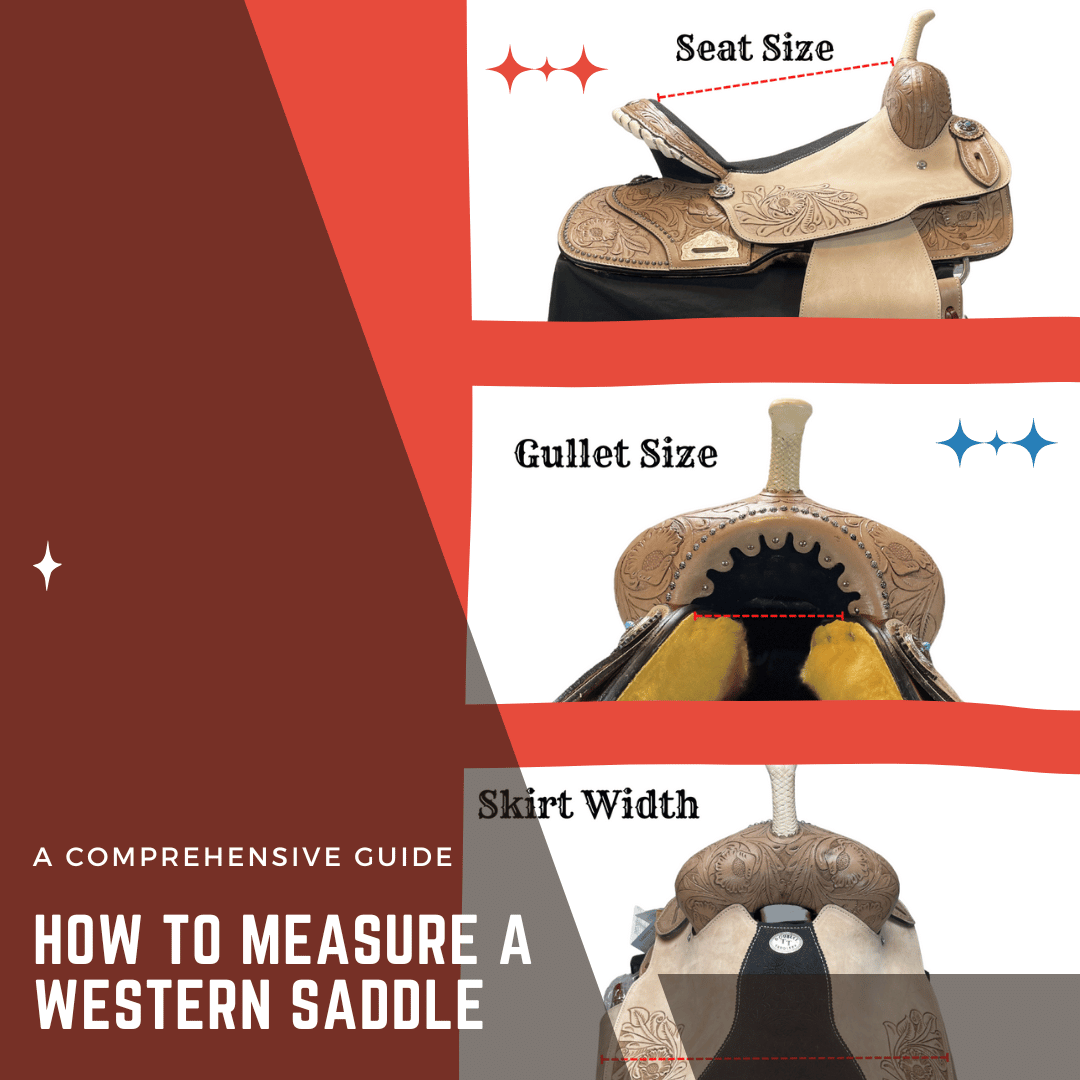
Image Source: texansaddles.com
Why Exact Measurements Matter for Western Saddles
A western saddle is a significant piece of equipment. It rests on your horse’s back for many hours. A poorly fitting saddle causes pain. It can lead to serious long-term health issues. These issues include muscle damage, sores, and even lameness. Knowing your horse’s specific dimensions helps you in determining horse tree size and rigging. This knowledge is key whether buying new or used, or ordering a horse measurements for custom saddle.
Essential Tools for Measuring Your Horse
Before you start, gather your tools. Having the right gear makes the job simple and precise.
- A flexible, non-stretch measuring tape is best. Yarn or string can work, but mark it clearly and use a firm ruler afterward.
- A long, straight edge, like a yardstick or level, for checking flat points.
- A helper can make some measurements easier, especially for the back length.
- A notepad and pen to record every number clearly.
Step-by-Step Guide to Horse Measurement
Accurate saddle fitting horse size relies on several key measurements. We will focus on the areas that directly impact the saddle’s contact points: the back length, the wither, and the width across the shoulders.
Measuring Horse Back Length
The saddle must not sit too far forward or backward. Too long, and it hits the loins; too short, and it crowds the shoulders.
Assessing the Saddle Support Area
- Locate the True Withers: Feel for the highest point of the shoulder blades where the neck meets the back. This is the true wither.
- Mark the End Point: Find the point where the back muscles end and the loin (croup) begins. This is usually just in front of where the last rib ends. This spot defines the maximum contact area for the saddle.
- Measure the Distance: Measure in a straight line, or following the curve slightly, between the wither mark and the end of the saddle support area. This gives you the saddle’s maximum supported length.
This measurement is critical for the measuring horse back length component of your western saddle sizing guide.
Horse Wither Measurement for Saddle Fitting
The wither area dictates how high the saddle needs to sit off the horse’s spine.
Gauging Wither Height and Shape
- Identify the Wither Point: Find the very top of the wither structure.
- Measure Height Off Back: Place your straight edge across the top of the wither, perpendicular to the spine. Measure from the bottom of the straight edge down to the lowest point of the spine (the gullet area). This gives you a baseline.
- Assess Shape: Is the wither prominent (high and narrow) or flat (low and wide)? This qualitative assessment is as important as the number.
A flat wither needs a different tree angle than a very sharp one. This feeds directly into horse wither measurement for saddle needs.
Determining Horse Tree Size: Gullet Width Measurement Horse
The tree is the internal frame of the saddle. Its width must match the horse’s width across the shoulders and behind the scapula. This is perhaps the most crucial step in determining horse tree size.
Locating Key Points for Width
- Shoulder Position: Have the horse stand square (all four legs evenly weighted). Run your hands down the shoulder bone (scapula). Notice where the shoulder moves back when the horse steps forward slightly.
- Measuring the Gullet Channel: The saddle must clear the horse’s spine, creating a channel. The measurement is taken across the horse’s back, just behind the point where the shoulder blades meet, usually 3 to 4 inches behind the point of the shoulder.
- Use the Level and Tape: Place the straight edge (or level) across the horse’s back at this spot, keeping it level side-to-side. Measure the distance between the two highest points of the horse’s back muscles at that exact spot. This is often referred to as the “bar angle” measurement reference.
Interpreting Gullet Measurements
Saddles are sized by “Gullet Size” (e.g., Narrow, Medium, Wide). These are standardized but vary slightly by manufacturer.
| Common Gullet Size | Approximate Width Range (Inches) | Typical Horse Type |
|---|---|---|
| Narrow (N) | 5.5″ – 6.0″ | Narrow horses, high withered horses |
| Medium (M) | 6.0″ – 6.5″ | Average horses, most Quarter Horses |
| Wide (W) | 6.5″ – 7.0″ | Broad, heavily muscled horses |
| Extra Wide (XW) | 7.0″ + | Draft crosses, some minis/ponies |
The gullet width measurement horse requires care. If you are measuring for a custom fit, you may need specific angles of the shoulder contact points, which a professional fitter can assess during an equine back profile assessment.
Measuring Bar Spread and Rock
Beyond simple width, the shape of the bars (the wood or fiberglass pieces that contact the back) matters. This addresses the “rock” or curve of the saddle relative to the horse’s back.
- Bar Angle Check: With the horse standing square, look at the angle formed by the shoulder blade meeting the rib cage. This angle dictates the bar flare needed in the tree.
- Rock Assessment: Does your horse have a flat back (little curve from withers to croup) or a curved back (a pronounced dip or rise)? A saddle with too much “rock” (a banana shape) will bridge on a flat back, creating pressure points. Too little rock will cause the front and back of the bars to dig in on a curved back.
Advanced Considerations for Saddle Fitting Horse Size
While the basic measurements are essential, saddle fitting horse size involves more than just three numbers. The rider’s weight and style of riding also play a role.
The Role of the Horse’s Movement
A static measurement is only half the story. The saddle must fit when the horse is moving, flexing, and breathing.
- Shoulder Clearance: Watch your horse walk and trot (if possible, saddled lightly). Does the saddle move back smoothly? If the skirt or fenders bind against the shoulder as it swings forward, the fit is too restrictive, regardless of the width measurement. This restriction inhibits movement and causes soreness.
- Swayback/High Withers: Horses with significant sway (dipped back) or very high withers need specialized padding or saddle designs to distribute weight evenly across the bars, preventing the bars from bridging the gap or pinching the high points.
Impact of Rider Weight and Discipline
The western saddle sizing guide must account for the rider. A heavier rider needs a tree built to handle more leverage and strain.
- Weight Distribution: A heavy rider puts more pressure on the bars directly under the seat. If the tree is too narrow, the bars will pinch the spine under that load. If too wide, the bars will collapse onto the ribs.
- Discipline: A roper needs a different bar shape and depth than a barrel racer or a trail rider. Barrel saddles often have straighter bars, while roping saddles might have more curve to accommodate deep, powerful stops.
Utilizing Horse Conformation Measurement for Custom Fitting
If you are purchasing a horse measurements for custom saddle, the saddler will require detailed information beyond simple tape measurements. They perform a thorough equine back profile assessment.
This assessment often involves:
- Tracing the Back: Placing a flexible ruler or tracing paper along the horse’s back to capture the exact contour.
- Pressure Point Identification: Using a specialized gel pad or pressure-sensitive film while the horse is briefly saddled (even with a demo saddle) to visually map high-pressure zones.
- Measuring Rib Angles: Precisely determining the angle at which the ribs meet the back structure.
This advanced data allows the saddler to modify the tree’s wood, fiberglass, or metal components to match the unique topography of your horse’s back.
Common Pitfalls in Measuring for a Western Saddle
Many people make simple mistakes that lead to a poor fit. Avoid these common errors:
- Measuring Over Padding: Never measure a horse that is already wearing a thick blanket or pad. Measure directly on the short hair coat.
- Allowing Slouch: Ensure the horse is standing perfectly square and relaxed. A horse leaning to one side will give skewed width readings.
- Ignoring the Wither: Many riders focus only on the width and forget that wither clearance is vital. A saddle that pinches the wither restricts breathing and movement immediately.
- Confusing Gullet with Bar Width: The gullet is the channel above the bars. The bar width is the contact surface below the gullet. These are related but measured differently in relation to the horse’s structure.
The Final Check: Testing the Fit
Once you have your measurements and select a saddle that seems correct based on the western saddle sizing guide, you must test it thoroughly.
The Sit Test
- Place the Saddle: Place the saddle directly onto the horse’s bare back (no pad yet).
- Check Front Clearance: Look at the gullet channel from the front. You should see a visible gap between the bars and the spine, even before cinching. If the bars touch the spine, it is too narrow or the tree is flat for a curved back.
- Check Length: Ensure the back of the skirts do not extend past the last rib or touch the loins (the soft area leading to the tail).
The Cinch Test
- Lightly Cinch: Bring the front cinch up just enough to hold the saddle in place.
- Check Movement: Walk the horse forward. Watch the shoulder movement again. The saddle should move with the horse, not fight its motion.
- Full Cinch and Ride: Once fully cinched, a properly fitting saddle should sit flat or nearly flat on the back (depending on the horse’s shape). You should still be able to easily slide your hand vertically between the gullet and the spine, about 2-3 inches deep.
If the saddle is pinching, sliding, or causing the horse to tense up under saddle, the measurements, while perhaps technically correct, did not account for the specific equine back profile assessment needed for that individual animal.
Summary of Key Measurement Locations
To simplify the process, remember these critical points for your horse conformation measurement:
- Length: Withers to the last rib attachment point.
- Width: Across the back muscles just behind the scapula (shoulder blade).
- Height: Wither height relative to the spine.
Using these points systematically ensures you have the necessary data for determining horse tree size and selecting the best possible equipment for a long, happy partnership with your horse.
Frequently Asked Questions (FAQ) About Western Saddle Sizing
Q: How much space should there be between the saddle bars and my horse’s spine?
A: Ideally, there should be a clear channel, usually about 1 to 3 inches wide, running the length of the bars. You should be able to slide your hand easily down into this channel without touching the spine. This gap is vital for protecting the spinal nerves and muscles.
Q: Can I use my English saddle measurements to pick a Western saddle size?
A: No, the measurement systems are very different. English saddles are sized by seat length and tree width relates to a general fit. Western saddles are sized by the gullet width (which corresponds to the bar spread) and the bar angle/rock, which are specific to the broad structure of the western tree.
Q: What does it mean if my western saddle rolls forward onto the horse’s shoulders?
A: This usually means the saddle is too narrow or has too much “rock” (is too curved) for your horse’s back profile. A narrow saddle bridges over the wider part of the back muscles, causing the front to tip down sharply onto the shoulders. This is a clear sign of poor fit requiring adjustment or a different tree size.
Q: My horse has a very prominent wither. What measurement should I focus on?
A: Focus heavily on the horse wither measurement for saddle height and shape. You need a saddle with significant rise or “rock” built into the front of the bars, often called a “high-wither” or “gullet-high” tree. If the saddle bars sit flat against the side of the wither structure, you risk bruising and restricting movement.
Q: How often should I remeasure my horse for a western saddle?
A: You should remeasure if your horse gains or loses significant muscle mass, changes its work level dramatically, or ages (as muscles often change structure). For a horse in steady work, a check every 1-2 years is advisable to ensure the proper saddle fit for equine health remains optimal.